
Uncategorized
new drugs for anxiety and depression
new drugs for anxiety and depression
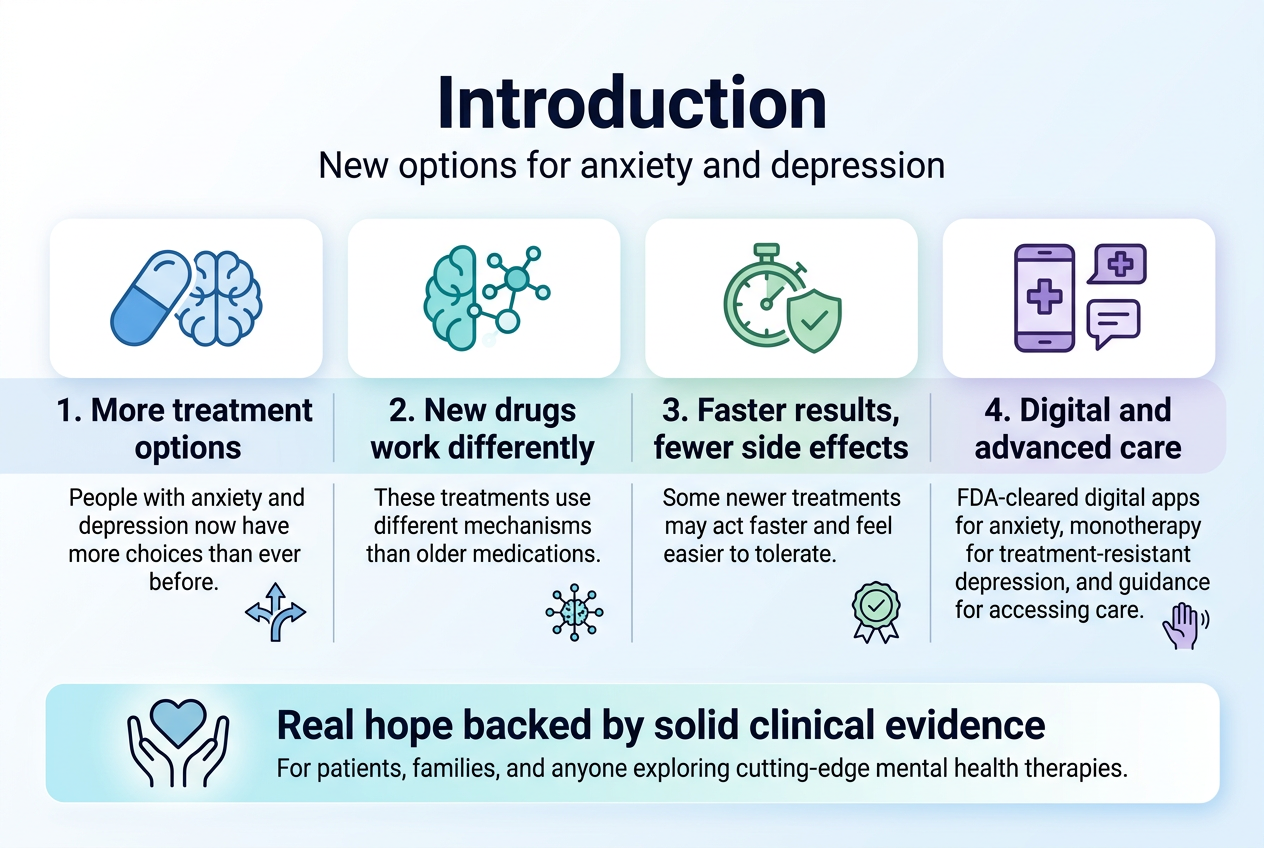
Mental health treatment is changing fast, and people struggling with anxiety and depression now have more options than ever before. This guide is written for patients who haven’t found relief with traditional treatments, their families, and anyone curious about cutting-edge mental health therapies that could make a real difference.
New drugs for anxiety and depression are breaking through barriers that have frustrated millions of people for years. We’re talking about treatments that work in completely different ways than older medications, often with fewer side effects and sometimes much faster results.
In this article, we’ll explore the game-changing monotherapy treatment that’s helping people with treatment-resistant depression, plus the FDA-cleared digital apps that are revolutionizing how we treat anxiety. We’ll also dive into practical guidance for accessing these newer treatments, including what’s available through different healthcare systems and how to advocate for yourself when standard options aren’t working.
Whether you’ve been cycling through antidepressants without success or you’re looking for alternatives to traditional therapy, these developments represent real hope backed by solid clinical evidence.
Breakthrough Monotherapy Treatment for Treatment-Resistant Depression
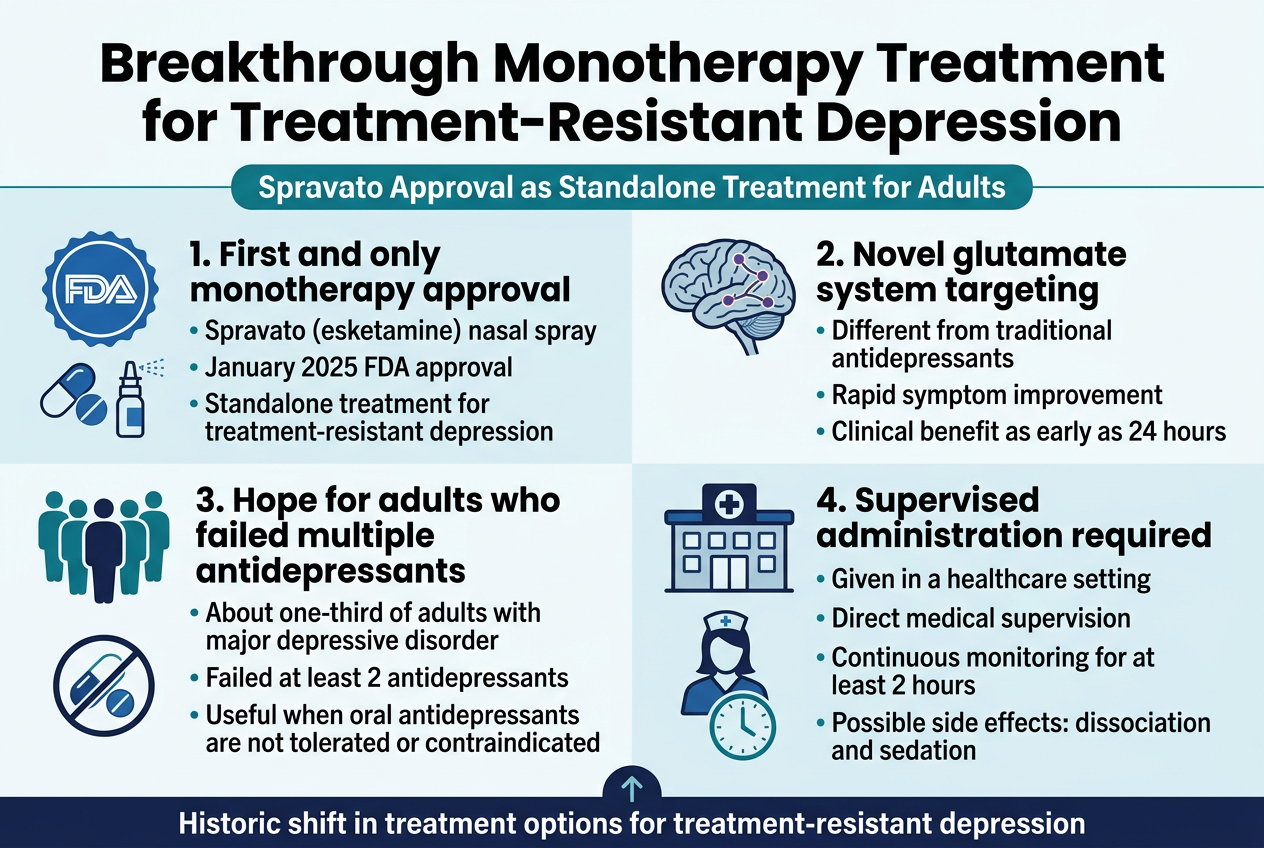
Spravato Approval as Standalone Treatment for Adults
The landscape of new drugs for anxiety and depression reached a pivotal moment in January 2025 when Spravato (esketamine) nasal spray received groundbreaking FDA approval as the first and only monotherapy for treatment-resistant depression in adults. This historic approval represents a fundamental shift in treatment paradigms, as Spravato can now be prescribed and administered as a standalone treatment option. Previously, this innovative medication required concurrent use with an oral antidepressant, limiting its therapeutic flexibility and accessibility for certain patient populations.
Rapid Symptom Relief Through Novel Glutamate System Targeting
What sets Spravato apart from traditional antidepressants is its revolutionary mechanism of action that targets the brain’s glutamate system rather than conventional neurotransmitter pathways. This novel approach has demonstrated remarkable efficacy in clinical trials, with patients experiencing rapid improvement in depressive symptoms as early as 24 hours after the first dose. This speed of action represents a dramatic departure from traditional antidepressants, which typically require weeks or months to show therapeutic benefits.
Game-Changing Alternative for Patients Who Failed Multiple Antidepressants
For approximately one-third of adults with major depressive disorder who haven’t responded to at least two different antidepressants, Spravato offers unprecedented hope. This medication is particularly valuable for individuals who cannot tolerate oral antidepressants due to adverse effects or have medical contraindications that prevent the use of conventional treatments. The standalone approval expands treatment possibilities for this historically difficult-to-treat patient population.
Supervised Administration Requirements and Monitoring Protocols
Due to potential side effects including dissociation and sedation, Spravato must be administered in a healthcare setting under direct medical supervision. Following administration, patients require continuous monitoring for at least two hours to ensure safety and manage any adverse reactions that may occur during this critical observation period.
FDA-Cleared Digital Therapeutics Revolutionizing Anxiety Treatment
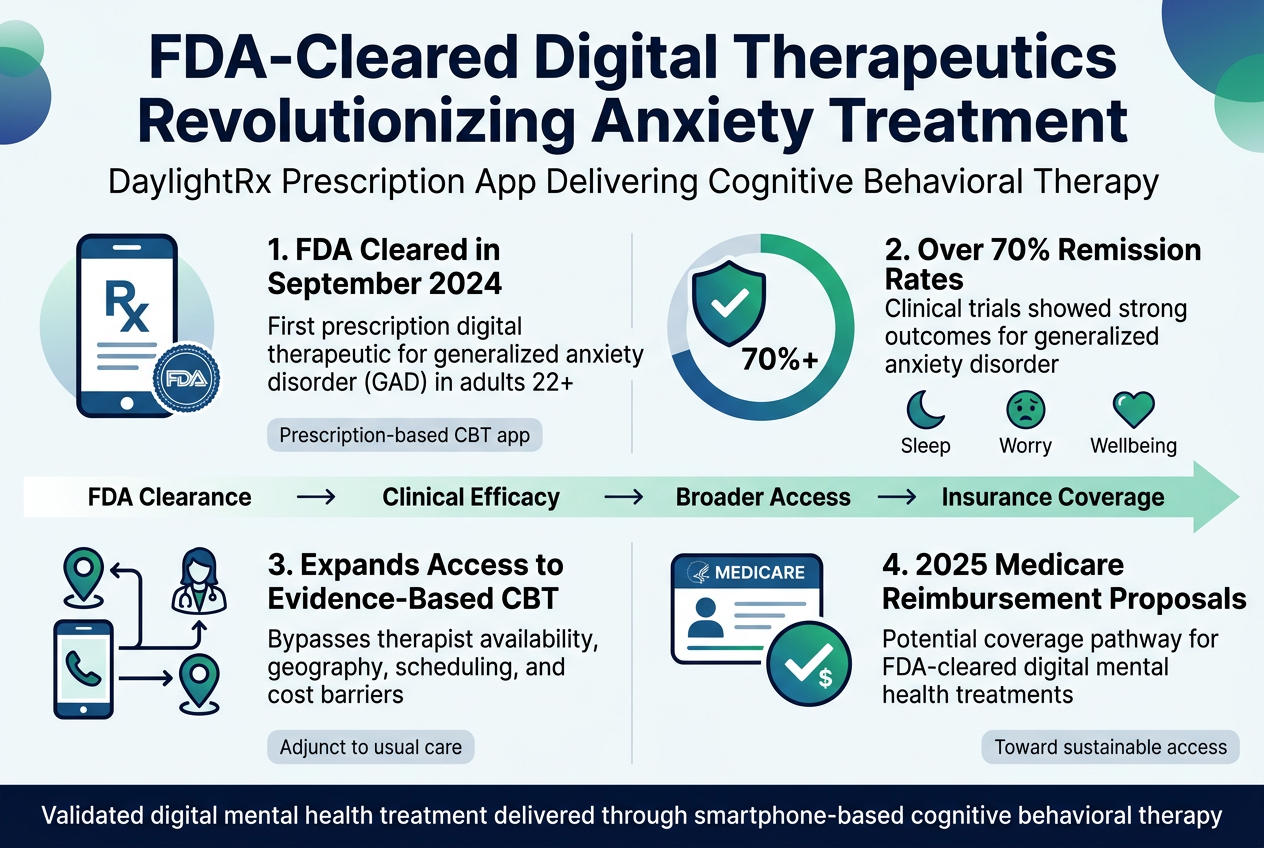
DaylightRx Prescription App Delivering Cognitive Behavioral Therapy
The digital mental health landscape achieved a major milestone in September 2024 when the FDA cleared DaylightRx, marking the first prescription digital therapeutic specifically designed for generalized anxiety disorder (GAD) in adults aged 22 and older. This smartphone-based application represents a groundbreaking approach to delivering cognitive behavioral therapy directly through technology, fundamentally changing how healthcare providers can prescribe evidence-based psychological interventions.
Unlike traditional therapy apps available through app stores, DaylightRx requires a prescription from healthcare providers and is designed to function as an adjunct to usual care. This prescription-based model ensures proper clinical oversight while leveraging the accessibility and convenience of digital platforms to deliver structured CBT interventions.
Impressive 70% Remission Rates for Generalized Anxiety Disorder
Clinical trials for DaylightRx have demonstrated remarkable efficacy that rivals traditional face-to-face therapy approaches. The treatment achieved over 70% remission rates among participants with generalized anxiety disorder, establishing it as a highly effective intervention for this challenging condition. These results represent a significant advancement in anxiety treatment outcomes, particularly considering the persistent nature of GAD.
The benefits extended well beyond anxiety reduction, with participants experiencing significantly reduced anxiety that lasted six months or more, demonstrating the treatment’s durability. Additionally, the digital therapeutic showed improvements across multiple domains including worry reduction, depressive symptoms, sleep quality, and overall wellbeing, indicating its comprehensive impact on mental health functioning.
Increased Access to Evidence-Based Psychological Treatment
Digital therapeutics like DaylightRx address critical access barriers that have long plagued mental healthcare delivery. Traditional cognitive behavioral therapy often faces limitations including therapist availability, geographic constraints, scheduling difficulties, and cost barriers that prevent many individuals from receiving evidence-based psychological treatment.
This validated digital alternative offers a solution for patients facing these traditional barriers to CBT access. The smartphone-based delivery system eliminates geographic limitations while providing structured, evidence-based interventions that maintain the core therapeutic principles of cognitive behavioral therapy. This increased accessibility is particularly valuable given the high prevalence of anxiety disorders and the limited availability of specialized mental health providers in many regions.
Medicare Reimbursement Proposals for Digital Mental Health Treatments
The 2025 Medicare Physician Fee Schedule includes groundbreaking proposals for reimbursing FDA-cleared digital mental health treatments, potentially establishing sustainable access pathways for digital therapeutics like DaylightRx. This proposed reimbursement framework represents a crucial step toward integrating digital therapeutics into standard healthcare coverage, addressing one of the primary barriers to widespread adoption of these innovative treatments.
These reimbursement proposals could establish a precedent for other insurance providers to follow, potentially creating a sustainable economic model for digital mental health interventions. This development signals recognition from healthcare payers that FDA-cleared digital therapeutics represent legitimate, evidence-based medical treatments worthy of coverage alongside traditional pharmaceutical and psychological interventions.
New Class of Antidepressants with Improved Side Effect Profiles
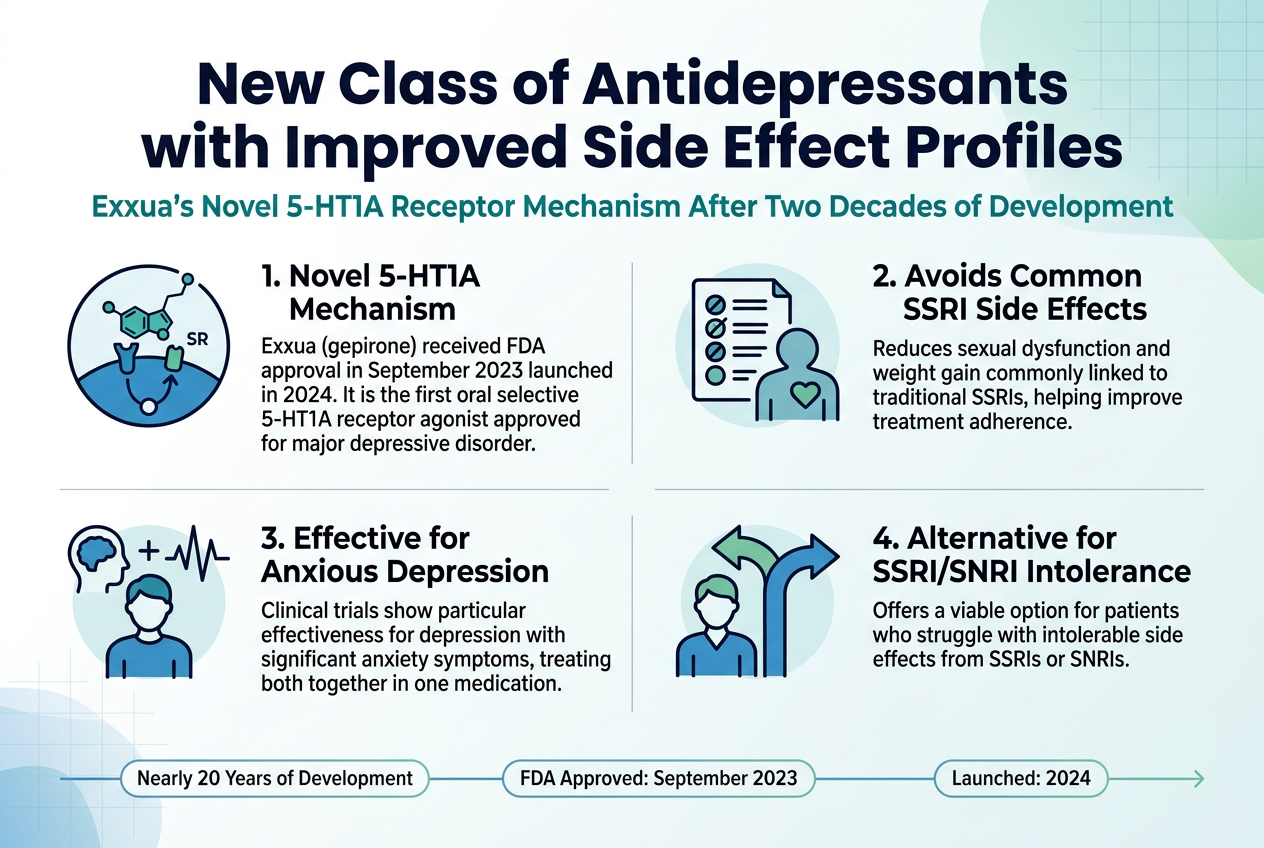
Exxua’s Novel 5-HT1A Receptor Mechanism After Two Decades of Development
Exxua (gepirone) represents a significant advancement in depression treatment, receiving FDA approval in September 2023 after nearly two decades of rigorous development. This groundbreaking medication launched in 2024, marking the first oral selective 5-HT1A receptor agonist specifically approved for major depressive disorder. Unlike traditional antidepressants that primarily target serotonin reuptake, Exxua operates through a genuinely novel mechanism of action by specifically targeting the serotonin 1A receptor, offering patients an entirely different therapeutic approach.
Avoiding Sexual Dysfunction and Weight Gain Common with Traditional SSRIs
One of the most compelling advantages of this new class of antidepressants is the ability to avoid the debilitating side effects that have long plagued patients taking traditional SSRIs. Exxua crucially eliminates the sexual dysfunction and weight gain commonly associated with conventional antidepressant medications. This breakthrough addresses two of the most frequently cited reasons patients discontinue their depression treatment, potentially improving long-term medication adherence and treatment outcomes.
Particular Effectiveness for Anxious Depression Symptoms
Clinical trials have demonstrated that Exxua shows particular effectiveness in treating anxious depression, a challenging condition where depression is accompanied by significant anxiety symptoms. This dual effectiveness makes it especially valuable among new drugs for anxiety and depression, as it addresses both conditions simultaneously without requiring multiple medications or complex treatment regimens.
Alternative for Patients Struggling with SSRI and SNRI Side Effects
For patients who have experienced intolerable side effects from SSRIs or SNRIs, Exxua offers a genuinely viable alternative treatment option. This represents a crucial development for individuals who have struggled with traditional antidepressant therapies, providing hope for those who may have previously felt their treatment options were limited or inadequate.
Promising Treatments Currently in Development and Clinical Trials
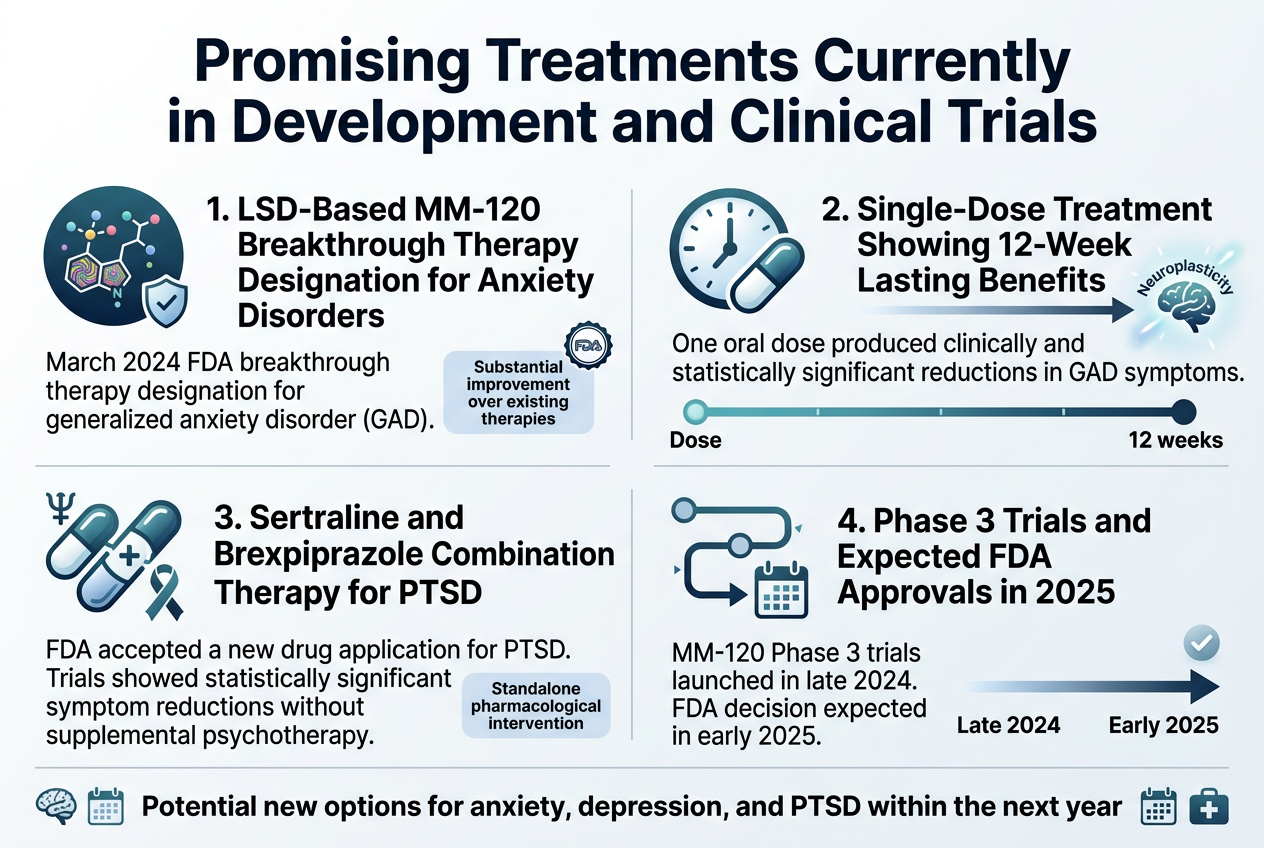
LSD-Based MM-120 Breakthrough Therapy Designation for Anxiety Disorders
MM-120 (lysergide d-tartrate) represents a groundbreaking advancement in the development of new drugs for anxiety and depression. In March 2024, this LSD-based medication achieved a significant regulatory milestone by receiving FDA breakthrough therapy designation specifically for generalized anxiety disorder (GAD). This designation is reserved for treatments that demonstrate substantial improvement over existing therapies for serious conditions, highlighting the exceptional promise MM-120 shows in addressing treatment-resistant anxiety disorders.
The breakthrough therapy designation accelerates the development timeline and provides increased FDA guidance throughout the approval process. This recognition underscores the urgent need for innovative therapeutic approaches in mental health, particularly for patients who have not responded adequately to conventional anxiety treatments.
Single-Dose Treatment Showing 12-Week Lasting Benefits
The most remarkable aspect of MM-120’s clinical performance lies in its unprecedented duration of action. Phase 2 trials revealed that a single oral dose of this novel compound produced clinically and statistically significant reductions in GAD symptoms that persisted through the entire 12-week study period. This extended efficacy profile represents a paradigm shift from traditional anxiety medications that require daily dosing to maintain therapeutic effects.
The sustained benefit profile suggests that MM-120 may work through fundamentally different mechanisms compared to conventional anxiolytics, potentially inducing lasting neuroplastic changes that continue to provide therapeutic benefits long after the initial treatment administration.
Sertraline and Brexpiprazole Combination Therapy for PTSD
Moving beyond single-agent therapies, innovative combination approaches are also advancing through the clinical pipeline. The FDA has accepted a new drug application for a combination therapy consisting of sertraline and brexpiprazole specifically designed for post-traumatic stress disorder (PTSD). This combination represents a strategic approach to leveraging the complementary mechanisms of both medications to achieve superior therapeutic outcomes.
Clinical trials demonstrated that this combination therapy produced statistically significant reductions in PTSD symptoms without requiring supplemental psychotherapy. This finding is particularly noteworthy as it suggests the combination may provide comprehensive symptom relief as a standalone pharmacological intervention, potentially improving access to effective PTSD treatment for patients who may not have access to specialized psychotherapy services.
Phase 3 Trials and Expected FDA Approvals in 2025
The clinical development landscape for these innovative treatments is rapidly advancing toward regulatory approval. Phase 3 trials for MM-120 launched in late 2024, representing the final stage of clinical testing before potential FDA approval. These larger-scale studies will provide definitive evidence of the treatment’s safety and efficacy across diverse patient populations.
For the sertraline and brexpiprazole combination therapy, regulatory review is already underway, with an FDA decision expected in early 2025. This timeline positions both treatments as potential new drugs for anxiety and depression that could become available to patients within the next year, offering hope for individuals who have not achieved adequate symptom control with currently available treatments.
Access and Availability of New Treatments in Different Healthcare Systems
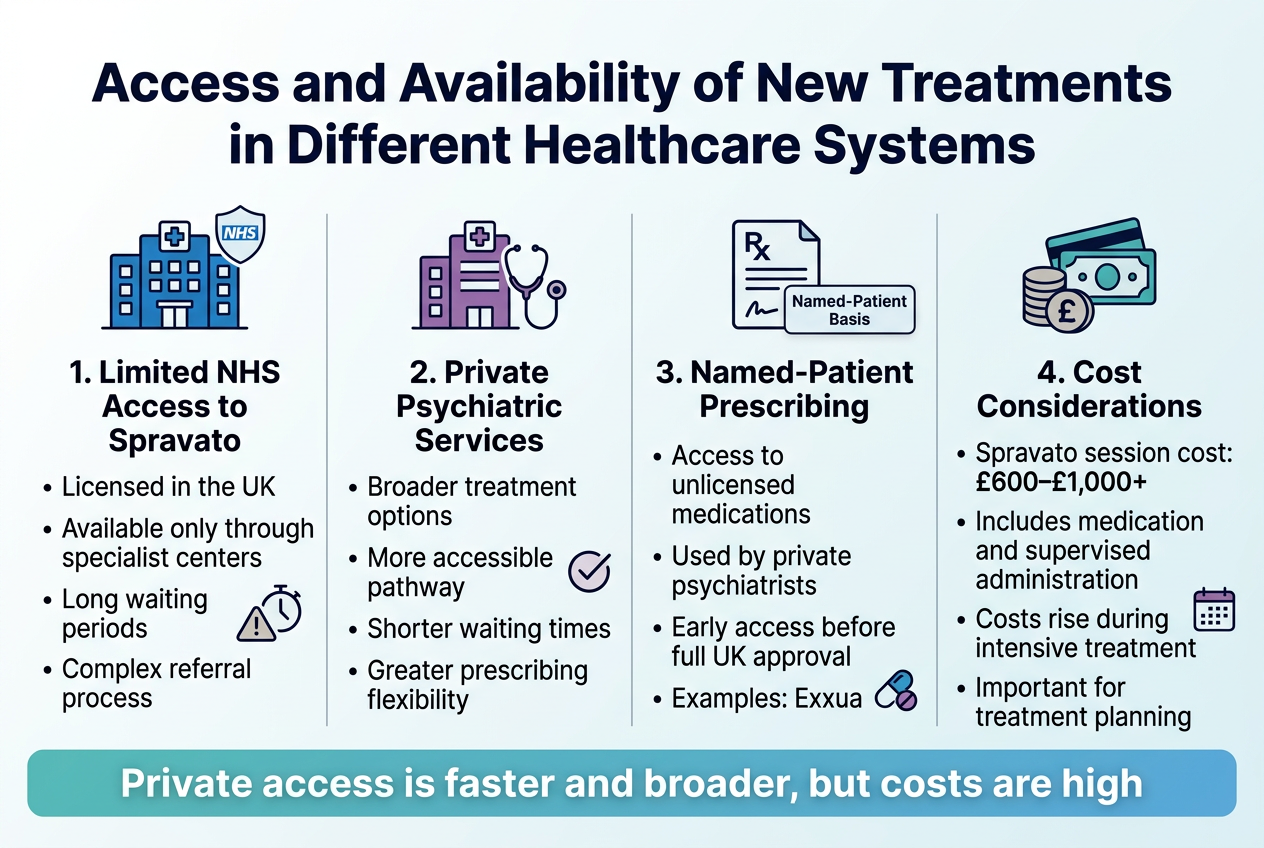
Limited NHS Access to Spravato Through Specialist Centers Only
In the UK, while Spravato has received licensing approval, access through the National Health Service remains significantly restricted. The NHS currently limits Spravato availability to specialist centers only, creating substantial barriers for patients seeking this innovative treatment option for treatment-resistant depression. This controlled distribution model means that many patients who could potentially benefit from this new drug for anxiety and depression face lengthy waiting periods and complex referral processes to access treatment through public healthcare channels.
Private Psychiatric Services Offering Broader Treatment Options
Private psychiatric services present a considerably more accessible pathway for patients seeking new drugs for anxiety and depression. These private providers can prescribe Spravato more readily than NHS services, offering greater flexibility in treatment approaches and typically shorter waiting times. The private sector’s ability to provide broader treatment options reflects their capacity to invest in cutting-edge therapies without the budgetary constraints that often limit NHS prescribing decisions.
Named-Patient Basis Prescribing for Unlicensed Medications
Private psychiatrists possess the clinical authority to prescribe medications on a named-patient basis, particularly beneficial for accessing treatments that do not yet have UK marketing authorization. This prescribing approach allows patients to access promising new drugs for anxiety and depression before they receive full regulatory approval in the UK market. Medications like Exxua can be prescribed through this route, providing patients with early access to potentially beneficial treatments while regulatory processes continue.
Cost Considerations for Private Treatment Access
Private access to new treatments involves substantial financial investment, particularly for Spravato administration. Each Spravato session typically costs between £600-£1,000+, reflecting both the medication expense and the mandatory supervised administration requirements. These costs can accumulate significantly, especially during the initial intensive treatment phase when patients require more frequent sessions. The total financial commitment for private Spravato treatment represents a considerable barrier for many patients, making cost planning essential for those considering this treatment pathway.
Practical Guidance for Patients Seeking Advanced Treatment Options
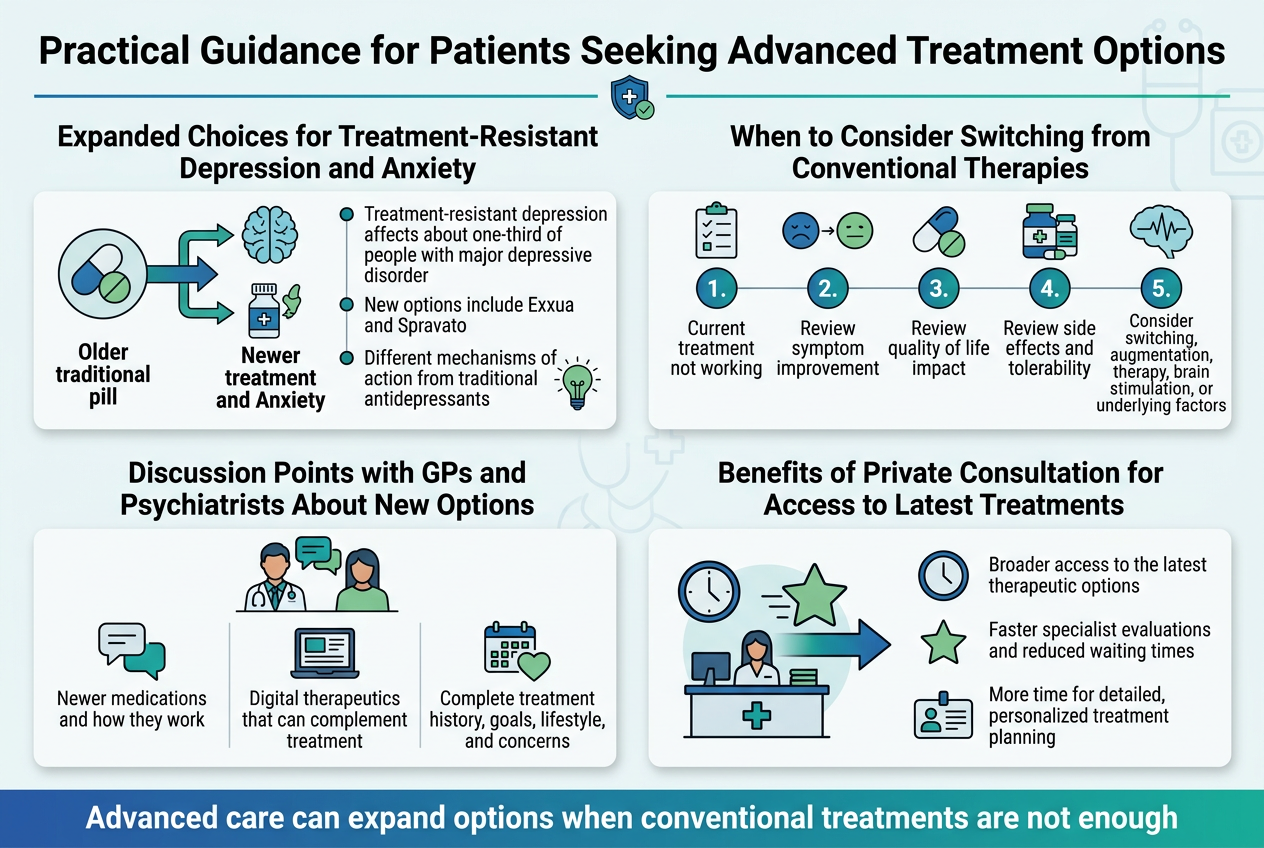
Expanded Choices for Treatment-Resistant Depression and Anxiety
The landscape of mental health treatment has dramatically transformed with the introduction of new drugs for anxiety and depression, particularly benefiting individuals who haven’t found success with conventional therapies. For patients experiencing treatment-resistant depression—affecting approximately one-third of people with major depressive disorder—these newer treatments represent a significant breakthrough. Options such as Exxua and Spravato offer alternative mechanisms of action that differ fundamentally from traditional antidepressants, providing new hope for those who have struggled with limited treatment responses.
These expanded choices create opportunities for more personalized treatment approaches, allowing healthcare providers to match patients with therapies that target different neurochemical pathways. The availability of these alternatives means that individuals no longer need to accept treatment failure as inevitable, but can explore scientifically-backed options that may work where others have not.
When to Consider Switching from Conventional Therapies
Patients should consider exploring new options when their current treatment isn’t delivering adequate results, though it’s important to recognize that conventional treatments remain first-line therapy for most individuals. The decision to transition typically comes after a thorough evaluation of current treatment effectiveness, including assessment of symptom improvement, quality of life impact, and tolerability of side effects.
When conventional treatments fail to provide relief, several pathways become available. These include switching to medications with different mechanisms of action, implementing augmentation strategies that combine treatments, incorporating psychological therapies, considering brain stimulation techniques, and addressing underlying contributing factors that may be hampering recovery.
Discussion Points with GPs and Psychiatrists About New Options
Effective communication with healthcare providers is crucial when exploring advanced treatment options. Patients should come prepared to discuss newer medications that have emerged in recent years, including their mechanisms of action and potential benefits for their specific situation. Digital therapeutics represent another important discussion point, as these evidence-based interventions can complement or enhance traditional treatment approaches.
When meeting with a GP or psychiatrist, it’s essential to review the complete treatment history, including previous medications tried, their effectiveness, and any adverse effects experienced. Patients should also discuss their treatment goals, lifestyle factors, and any concerns about newer therapies. This comprehensive dialogue helps healthcare providers make informed recommendations about whether advanced treatments might be appropriate.
Benefits of Private Consultation for Access to Latest Treatments
Private healthcare consultation offers significant advantages in accessing cutting-edge treatments, particularly when NHS availability is limited. Private practitioners often have broader access to the latest therapeutic options and may be more familiar with newer medications and treatment protocols that haven’t yet been widely adopted in public healthcare settings.
The private route can provide faster access to specialist evaluations and novel treatments, reducing waiting times that might otherwise delay potentially life-changing interventions. Additionally, private consultations may offer more time for detailed discussions about treatment options, allowing for more thorough exploration of advanced therapies and personalized treatment planning that considers individual patient needs and preferences.
7 Faq
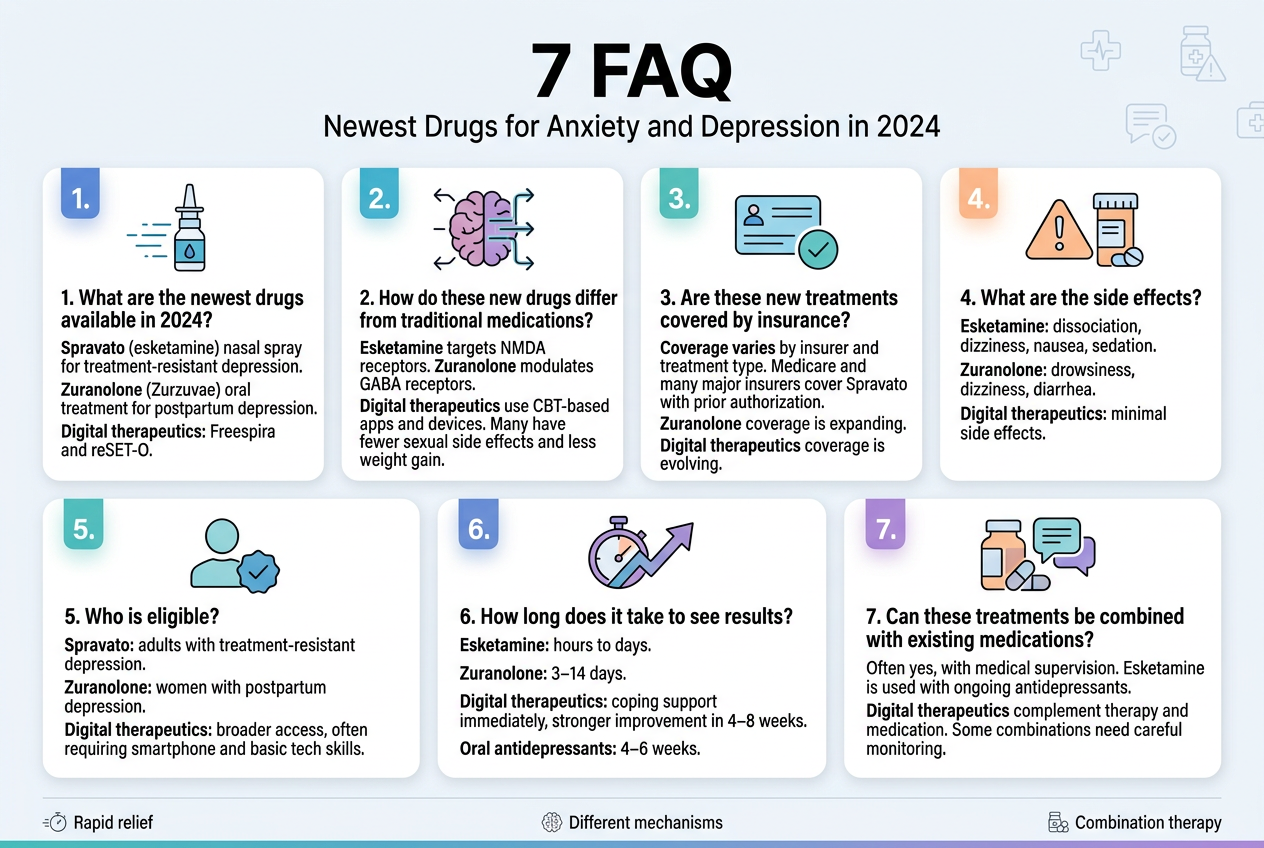
What are the newest drugs for anxiety and depression available?
Several groundbreaking treatments have recently gained FDA approval. Spravato (esketamine) nasal spray offers rapid relief for treatment-resistant depression, often showing improvement within hours rather than weeks. Zuranolone (Zurzuvae) provides a unique two-week oral treatment for postpartum depression. Digital therapeutics like Freespira for panic disorder and reSET-O for opioid use disorder with co-occurring depression represent a new category of FDA-cleared treatments that don’t require traditional medications.
How do these new drugs for anxiety and depression differ from traditional medications?
New treatments work through different brain mechanisms compared to traditional SSRIs and SNRIs. Esketamine targets NMDA receptors instead of serotonin reuptake, providing faster results. Zuranolone modulates GABA receptors, offering a completely different approach to mood regulation. Digital therapeutics use cognitive behavioral therapy principles delivered through apps and devices, providing 24/7 accessibility without pharmaceutical side effects. Many newer medications also have improved side effect profiles, with reduced sexual dysfunction and weight gain compared to older antidepressants.
Are these new treatments covered by insurance?
Coverage varies significantly by insurance provider and treatment type. Medicare and most major insurers cover Spravato, though prior authorization is typically required along with documentation of treatment-resistant depression. Zuranolone coverage is still expanding as insurers evaluate its cost-effectiveness. Digital therapeutics coverage is rapidly evolving, with some insurers beginning to cover FDA-cleared apps as medical devices. Patients should contact their insurance providers directly to verify coverage and understand any prior authorization requirements or copayment responsibilities.
What are the side effects of newer anxiety and depression medications?
Side effects vary by treatment type. Esketamine commonly causes dissociation, dizziness, nausea, and sedation during administration, requiring monitoring for two hours post-treatment. Zuranolone may cause drowsiness, dizziness, and diarrhea but typically has fewer long-term side effects than traditional antidepressants. Digital therapeutics generally have minimal side effects, though some users report initial anxiety when beginning therapy modules. Newer oral antidepressants in development show promising profiles with reduced sexual side effects and weight changes compared to existing medications.
Who is eligible for these breakthrough treatments?
Eligibility criteria differ for each treatment. Spravato is approved for adults with treatment-resistant depression who have tried at least two different antidepressants without success. Zuranolone is specifically for postpartum depression in women. Digital therapeutics typically have broader eligibility but may require smartphone access and basic technology skills. Patients with certain medical conditions, pregnancy, or medication interactions may not be suitable candidates. Healthcare providers evaluate individual medical histories, current medications, and treatment goals to determine the most appropriate options.
How long does it take to see results with new treatments?
Response times vary dramatically between new treatments. Esketamine can show improvement within hours to days, making it unique among depression treatments. Zuranolone typically shows effects within 3-14 days of starting the two-week course. Digital therapeutics may provide some immediate coping strategies, with significant improvements typically seen within 4-8 weeks of consistent use. Traditional new oral medications still require 4-6 weeks for full effects, though some patients notice changes earlier. Individual responses vary based on factors like symptom severity, overall health, and treatment adherence.
Can these new treatments be combined with existing medications?
Many new treatments can be safely combined with existing therapies under proper medical supervision. Esketamine is often used alongside ongoing antidepressant therapy. Digital therapeutics complement both medication and traditional therapy approaches. However, some combinations require careful monitoring due to potential interactions. Zuranolone may interact with certain medications that affect liver enzymes. Healthcare providers carefully review all medications, supplements, and medical conditions before recommending combination approaches to ensure safety and maximize therapeutic benefits while minimizing risks.
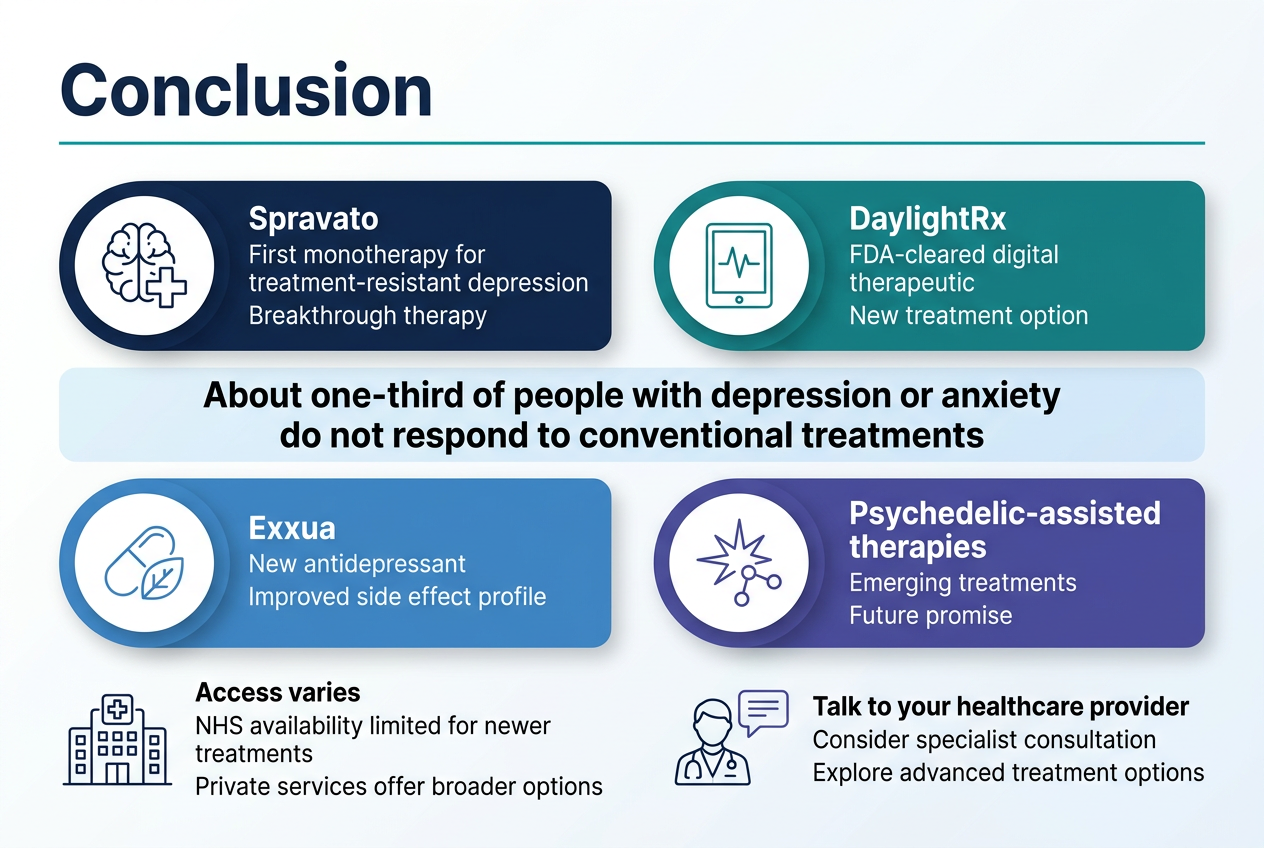
The landscape of mental health treatment has transformed dramatically with breakthrough therapies now available for people who haven’t found relief through traditional approaches. From Spravato’s approval as the first monotherapy for treatment-resistant depression to FDA-cleared digital therapeutics like DaylightRx, and new antidepressants like Exxua with improved side effect profiles, these advances offer genuine hope. Emerging treatments including psychedelic-assisted therapies show even greater promise for the future.
For the approximately one-third of people with depression or anxiety who don’t respond to conventional treatments, these innovations represent life-changing alternatives. While access varies between healthcare systems, with NHS availability limited for newer treatments and private services offering broader options, the expanding toolkit means more personalised and effective care is possible. If your current treatment isn’t working, don’t assume you’re out of options – discuss these breakthrough therapies with your healthcare provider and consider specialist consultation to explore the most appropriate advanced treatment for your specific needs.
