
Oxycodone – Uses, Effects, Side Effects & Safety Information
Oxycodone is a prescription opioid analgesic used to manage certain types of moderate-to-severe pain. It works primarily by binding to opioid receptors in the central nervous system, reducing the perception of pain.
Common Uses
Depending on the formulation and medical circumstances, oxycodone may be prescribed for:
- Moderate-to-severe pain
- Short-term pain following surgery or injury
- Certain chronic pain conditions requiring opioid treatment
Important Safety Information
Oxycodone can cause drowsiness, dizziness, constipation, nausea, tolerance, physical dependence, and respiratory depression. It also carries a risk of misuse, addiction, and overdose.
Combining oxycodone with alcohol, benzodiazepines, or other sedating medicines can substantially increase the risk of dangerous respiratory depression and death.
Take oxycodone only as prescribed. Do not change the dose, share the medication, or stop regular treatment abruptly without medical guidance.
Possible Side Effects
Common side effects include:
- Drowsiness
- Dizziness
- Nausea or vomiting
- Constipation
- Headache
- Itching
- Reduced alertness
Slow or difficult breathing, extreme sleepiness, inability to wake, or loss of consciousness can indicate an overdose and require emergency medical attention.


Benzodiazepines




Oxycodone


Oxycodone
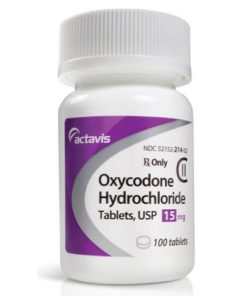



Oxycodone


Oxycodone


Oxycodone