What is The New Anxiety Drug
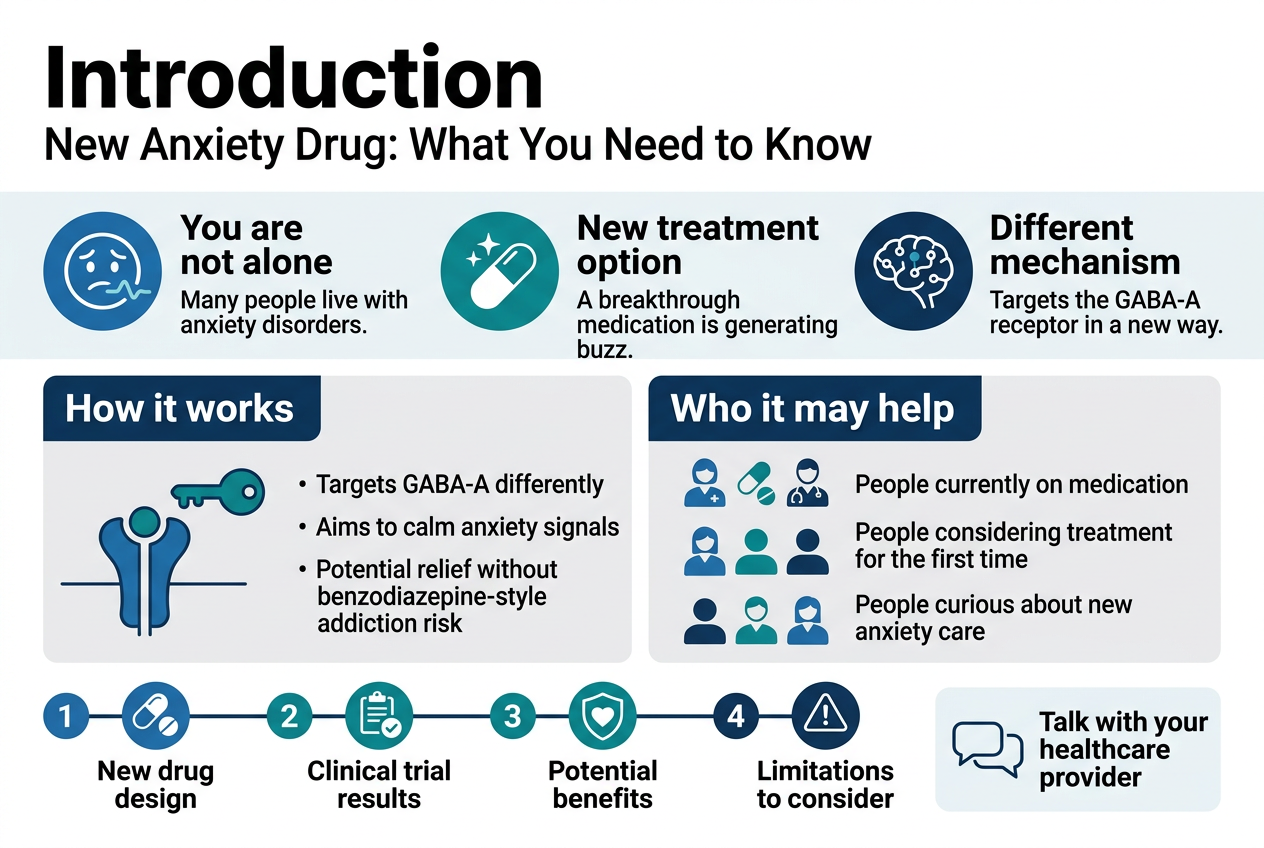
If you struggle with anxiety and wonder about new treatment options, you’re not alone. What is the new anxiety drug that’s generating buzz in mental health circles? This breakthrough medication targets the GABA-A receptor differently than traditional treatments, potentially offering relief without the addiction risks of benzodiazepines.
This guide is for anyone dealing with anxiety disorders who wants to understand the latest treatment developments. Whether you’re currently on medication, considering treatment for the first time, or simply curious about advances in anxiety care, we’ll break down everything you need to know about this emerging option.
We’ll explore how this new drug works differently from existing medications, dive into the clinical trial results that show its promise, and examine both the potential benefits and limitations you should consider. By the end, you’ll have a clear picture of whether this new anxiety treatment might be worth discussing with your healthcare provider.
Understanding Anxiety Disorders and Current Treatment Challenges
What anxiety disorders are and their prevalence in the population
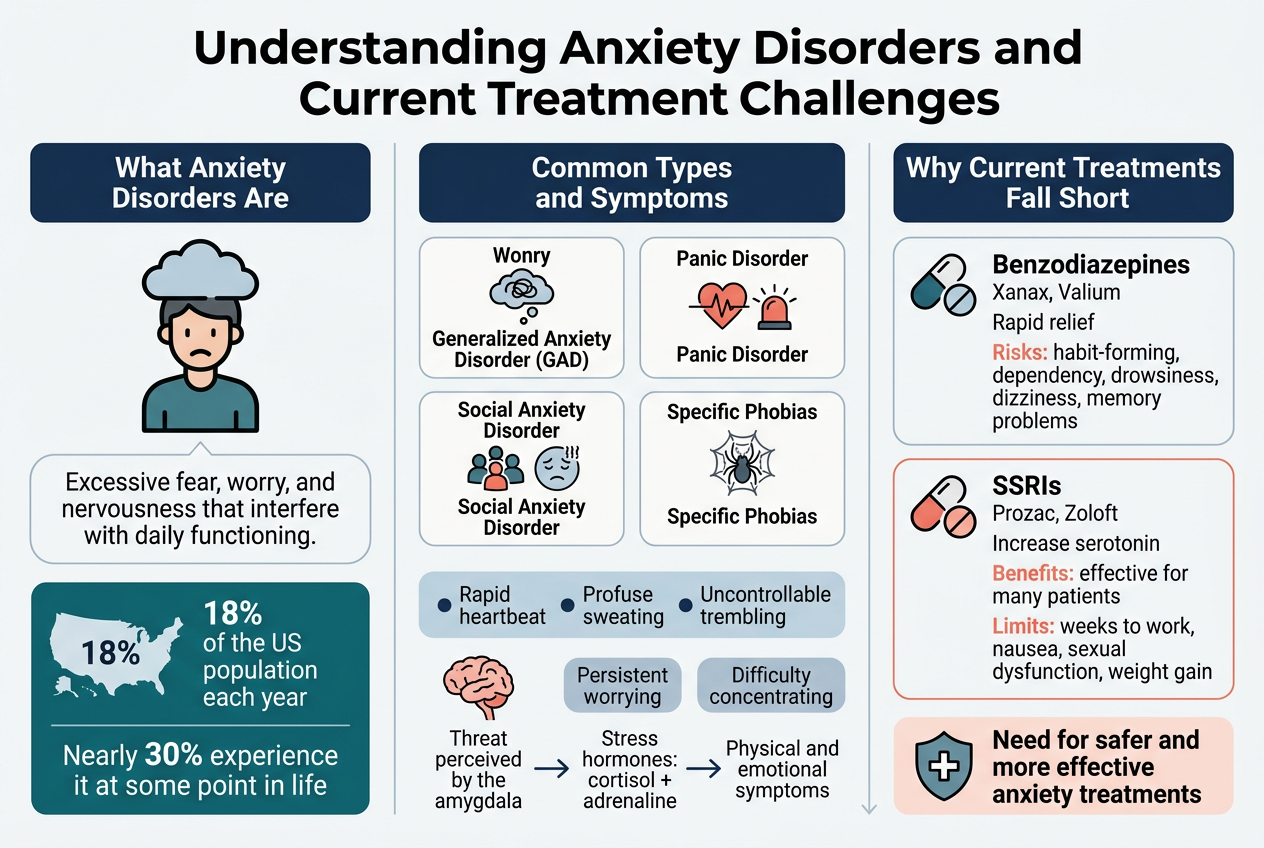
Anxiety disorders represent a significant category of mental health conditions characterized by excessive fear, worry, and nervousness that interfere with daily functioning. These conditions affect approximately 18% of the US population on an annual basis, making them among the most common mental health challenges Americans face. Even more striking is the lifetime prevalence, with nearly 30% of people experiencing an anxiety disorder at some point during their lives.
The widespread nature of these conditions underscores the critical importance of understanding what drives the search for new anxiety treatments, including what is the new anxiety drug that researchers are developing to address current treatment gaps.
Common symptoms and types of anxiety disorders
Anxiety disorders manifest through various forms, each presenting unique challenges for those affected. The most prevalent types include generalized anxiety disorder (GAD), which involves persistent and excessive worry about multiple life areas, and panic disorder, characterized by sudden, intense episodes of fear accompanied by physical symptoms.
Social anxiety disorder creates debilitating fear in social situations, while specific phobias trigger intense anxiety responses to particular objects or circumstances. Regardless of the specific type, anxiety disorders commonly produce a constellation of distressing symptoms.
Physical manifestations include rapid heartbeat, profuse sweating, and uncontrollable trembling. These symptoms occur when the amygdala detects perceived threats, triggering the release of stress hormones like cortisol and adrenaline throughout the body. Mental and emotional symptoms encompass excessive worrying that feels uncontrollable and persistent difficulty concentrating on daily tasks or responsibilities.
Limitations of traditional anxiety medications like benzodiazepines and SSRIs
Current anxiety treatments face significant challenges that highlight the need for innovative approaches. Benzodiazepines, including well-known medications like Xanax and Valium, provide rapid symptom relief but carry substantial risks. These medications are notably habit-forming, creating potential dependency issues for long-term users. Common side effects include persistent drowsiness, dizziness, and memory problems that can significantly impact quality of life and daily functioning.
SSRIs, such as Prozac and Zoloft, work by increasing serotonin levels in the brain and have demonstrated effectiveness for many patients. However, these medications present their own set of limitations. SSRIs typically require several weeks to produce noticeable therapeutic effects, leaving patients struggling with symptoms during this waiting period. Additionally, they frequently cause troublesome side effects including persistent nausea, sexual dysfunction, and unwanted weight gain.
These limitations across both medication classes create a compelling need for safer and more effective treatment options, driving ongoing research into innovative anxiety medications that could better serve patients’ needs.
How the New Anxiety Drug Works Differently
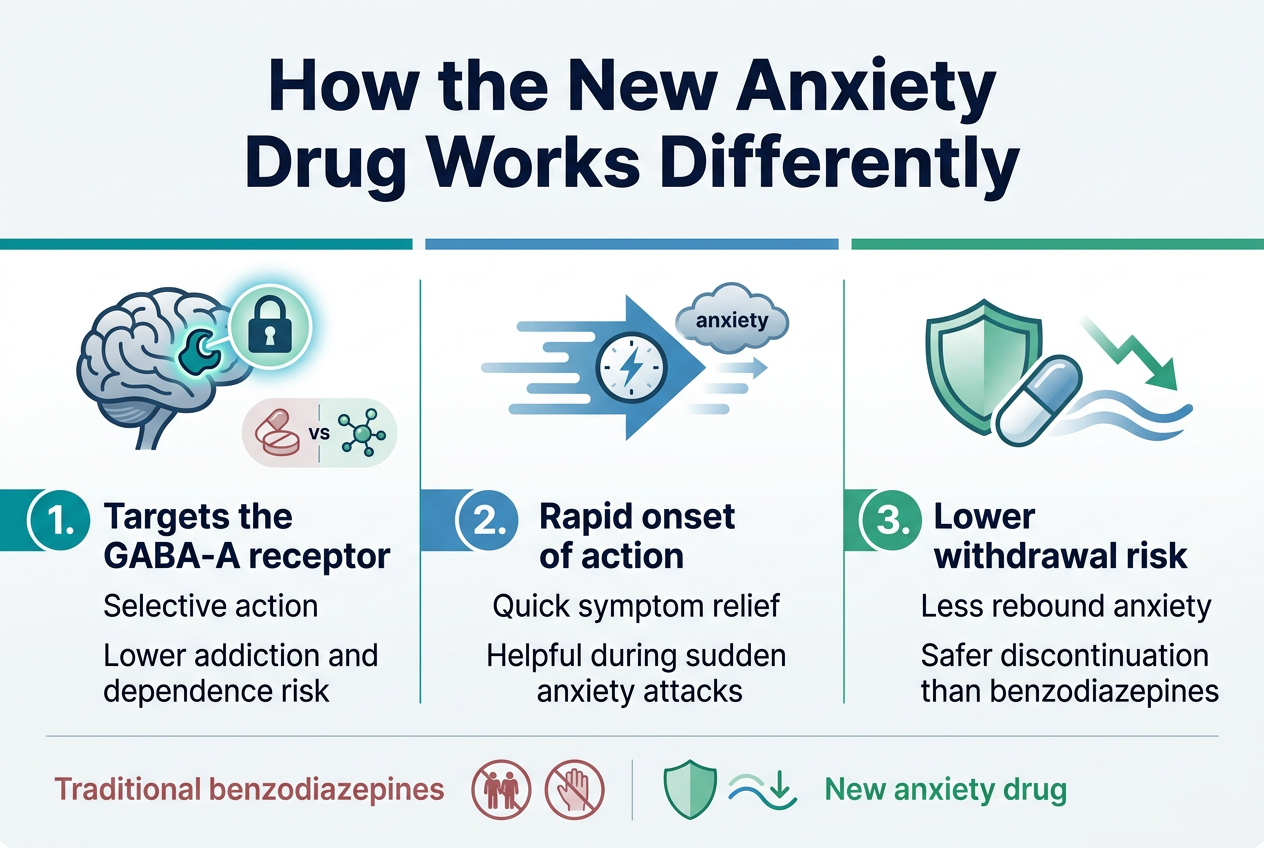
Targeting the GABA-A Receptor with Reduced Addiction Risk
The new anxiety drug operates through a sophisticated mechanism that targets the GABA-A receptor in the brain, which serves as a critical regulatory system for anxiety symptoms. This receptor system is responsible for maintaining the delicate balance of neurochemical activity that controls our anxiety responses. What makes this new medication particularly noteworthy is how it interacts with these same receptors that benzodiazepines target, yet demonstrates a significantly lower risk profile for addiction and dependence.
Unlike traditional benzodiazepines that have dominated anxiety treatment for decades, this innovative medication appears to engage with the GABA-A receptor in a more selective manner. This targeted approach allows for effective anxiety symptom management while minimizing the concerning side effects that have long plagued conventional treatments. The reduced addiction potential represents a major breakthrough for patients who require long-term anxiety management but have been hesitant to use benzodiazepines due to dependency concerns.
Rapid Onset of Action for Quick Symptom Relief
Building on this targeted approach, the new anxiety drug demonstrates remarkably rapid onset of action, working quickly to reduce anxiety symptoms when patients need relief most. This fast-acting characteristic sets it apart from many traditional anxiety medications that can take weeks to show therapeutic effects.
The rapid action profile makes this medication particularly valuable for individuals experiencing sudden or unexpected anxiety attacks. Rather than waiting for gradual symptom improvement, patients can experience meaningful relief in a much shorter timeframe, which can be crucial during acute anxiety episodes or panic situations.
Lower Risk of Withdrawal Symptoms Compared to Benzodiazepines
Perhaps most significantly, this new treatment option presents a substantially lower risk of withdrawal symptoms when compared to benzodiazepines. Traditional benzodiazepine medications, while effective, have long been associated with challenging withdrawal processes that can include rebound anxiety, physical discomfort, and potential medical complications when discontinued.
The reduced withdrawal risk profile of this new medication addresses one of the most significant barriers to anxiety treatment adherence. Patients and healthcare providers have often struggled with the difficult balance between effective symptom management and the eventual need to discontinue or adjust benzodiazepine therapy. This new drug’s improved safety profile during discontinuation could transform how clinicians approach long-term anxiety treatment planning.
Clinical Trial Results and Research Findings
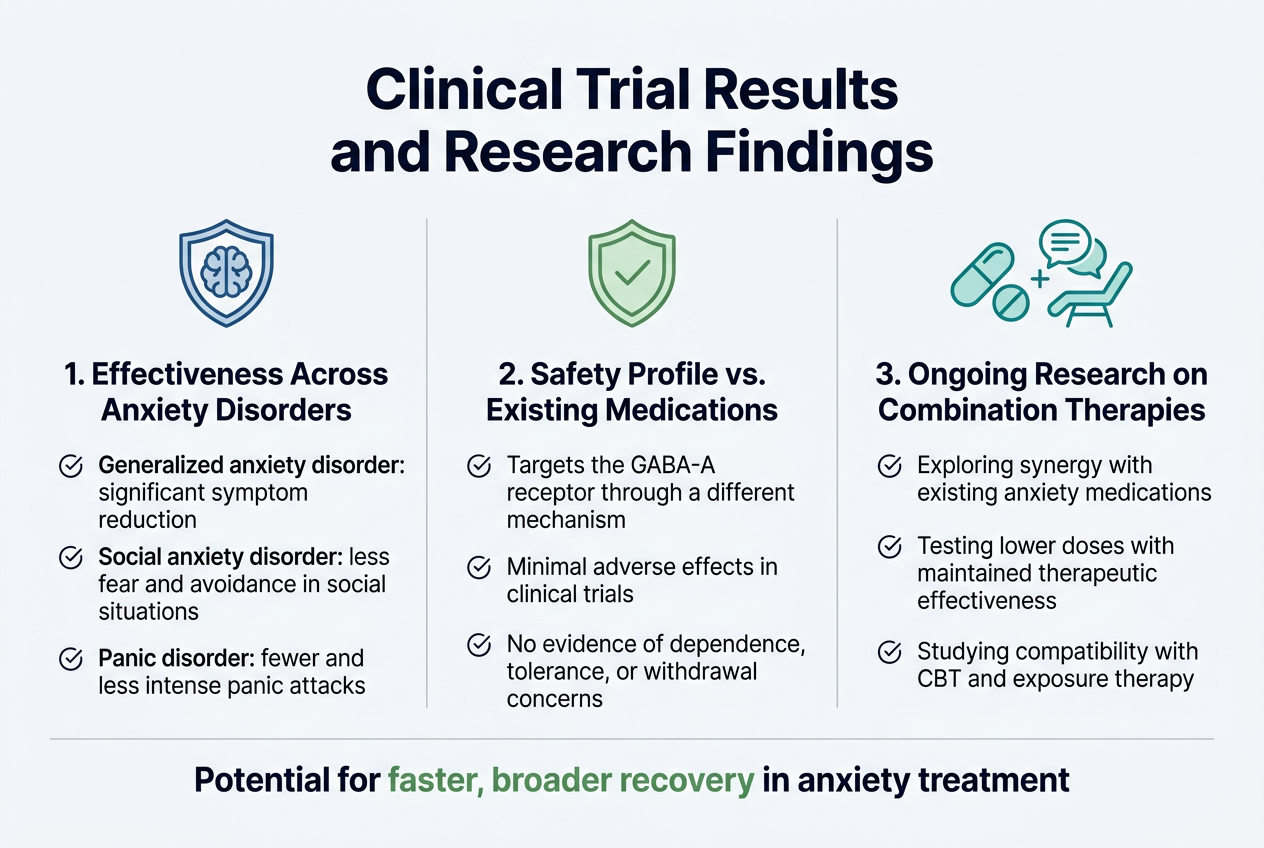
Effectiveness in treating generalized anxiety, social anxiety, and panic disorders
Recent clinical trials have demonstrated promising results for the new anxiety drug across multiple anxiety disorder categories. A comprehensive study revealed that patients with generalized anxiety disorder experienced significant symptom reduction when treated with this innovative medication. The drug’s effectiveness extended beyond generalized anxiety, showing remarkable improvement in individuals suffering from social anxiety disorder, where patients reported decreased fear and avoidance behaviors in social situations.
Perhaps most notably, the clinical trials demonstrated substantial benefits for panic disorder sufferers. Patients experiencing frequent panic attacks showed marked improvement in both the frequency and intensity of their episodes. The new anxiety drug’s ability to address multiple anxiety disorders simultaneously represents a significant advancement in psychiatric medication, as many current treatments are often disorder-specific or show varying degrees of effectiveness across different anxiety conditions.
Safety profile compared to existing medications
The safety profile of this new anxiety drug represents a major breakthrough in anxiety treatment. Unlike traditional benzodiazepines, which carry significant risks of addiction and withdrawal symptoms, the new medication targets the GABA-A receptor through a different mechanism. This unique approach appears to eliminate the dependency concerns that have plagued anxiety treatment for decades.
Clinical trial participants showed minimal adverse effects, and importantly, no evidence of the tolerance issues commonly associated with benzodiazepines. The drug’s safety profile suggests that patients can receive effective anxiety treatment without the fear of developing physical dependence or experiencing severe withdrawal symptoms when discontinuing the medication.
Ongoing research for combination therapies
Researchers are actively investigating the potential for combining this new anxiety drug with other therapeutic approaches to enhance treatment outcomes. Current studies are exploring how the medication might work synergistically with existing anxiety medications, potentially allowing for lower doses while maintaining therapeutic effectiveness.
Additionally, research teams are examining the drug’s compatibility with various forms of psychotherapy, including cognitive-behavioral therapy and exposure therapy. These combination therapy studies aim to determine whether patients might achieve faster or more comprehensive recovery when the new medication is used alongside established therapeutic interventions, potentially revolutionizing the standard of care for anxiety disorders.
Potential Benefits for Anxiety Sufferers
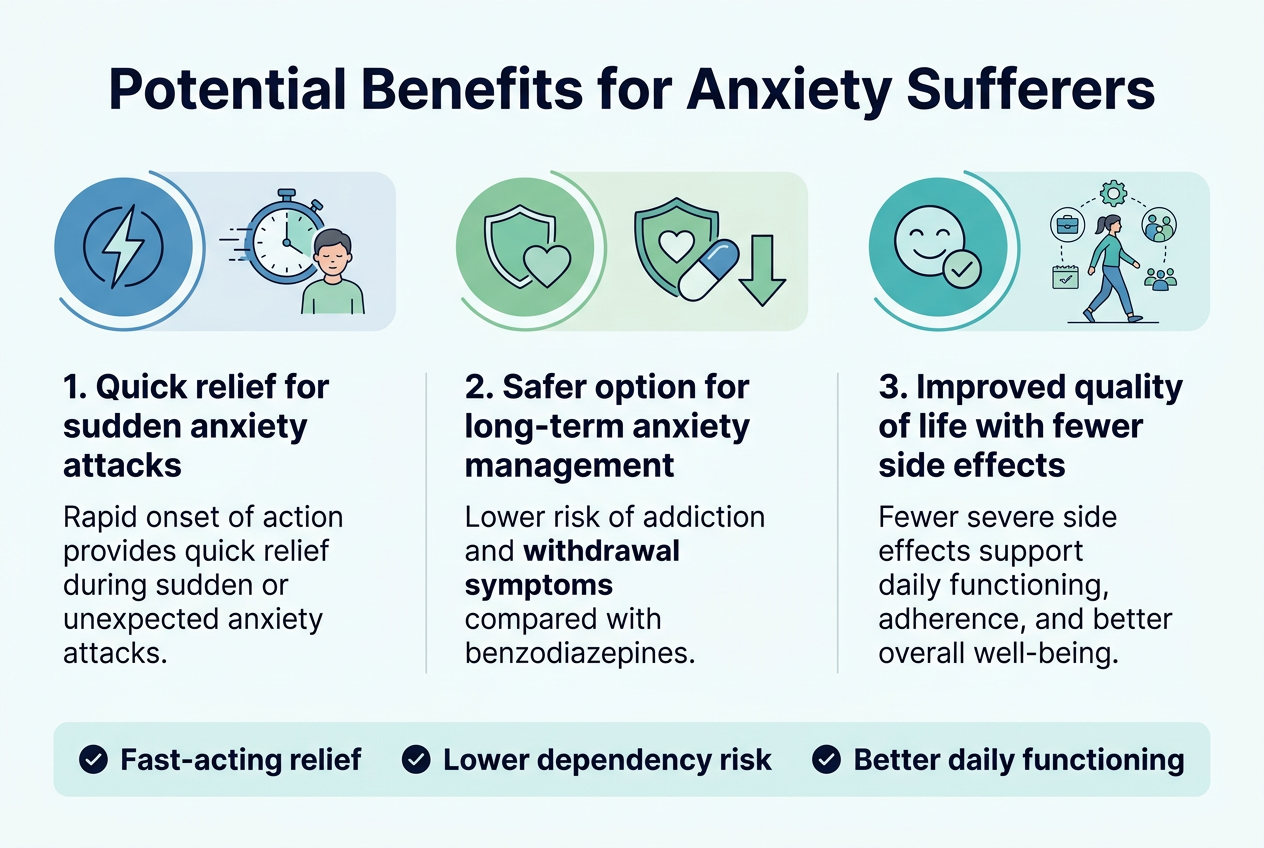
Quick relief for sudden anxiety attacks
The new anxiety drug’s rapid onset of action represents a significant breakthrough for individuals experiencing sudden or unexpected anxiety attacks. Unlike traditional medications that may take weeks to show therapeutic effects, this innovative treatment can provide quick relief when anxiety symptoms strike unexpectedly. This immediate response capability is particularly crucial for those who suffer from panic attacks or acute anxiety episodes that can be debilitating and interfere with daily activities.
The ability to achieve fast-acting relief means that individuals no longer need to endure prolonged periods of distress while waiting for conventional medications to take effect. This rapid intervention can prevent anxiety attacks from escalating and help restore a sense of control during overwhelming moments.
Safer option for long-term anxiety management
One of the most compelling advantages of what is the new anxiety drug lies in its improved safety profile for extended use. The medication presents a lower risk of addiction and withdrawal symptoms compared to benzodiazepines, which have long been associated with dependency concerns and challenging discontinuation processes.
This reduced addiction potential makes the new drug a more viable option for individuals requiring long-term anxiety management. Patients can feel more confident about maintaining their treatment regimen without the constant worry of developing dependency or experiencing severe withdrawal effects when adjusting their medication. The safer long-term profile opens doors for sustained therapeutic relationships and consistent symptom management.
Improved quality of life with fewer side effects
The new anxiety drug offers a safe and effective alternative that could help more people manage their symptoms while significantly improving their overall quality of life. By providing fewer severe limitations compared to traditional anxiety medications, this treatment option allows individuals to maintain better functionality in their personal and professional lives.
The reduced side effect profile means fewer disruptions to daily activities, cognitive function, and social interactions. This improvement in tolerability can lead to better treatment adherence and more consistent therapeutic outcomes, ultimately enabling anxiety sufferers to pursue their goals and maintain relationships with greater confidence and stability.
Limitations and Considerations of the New Treatment
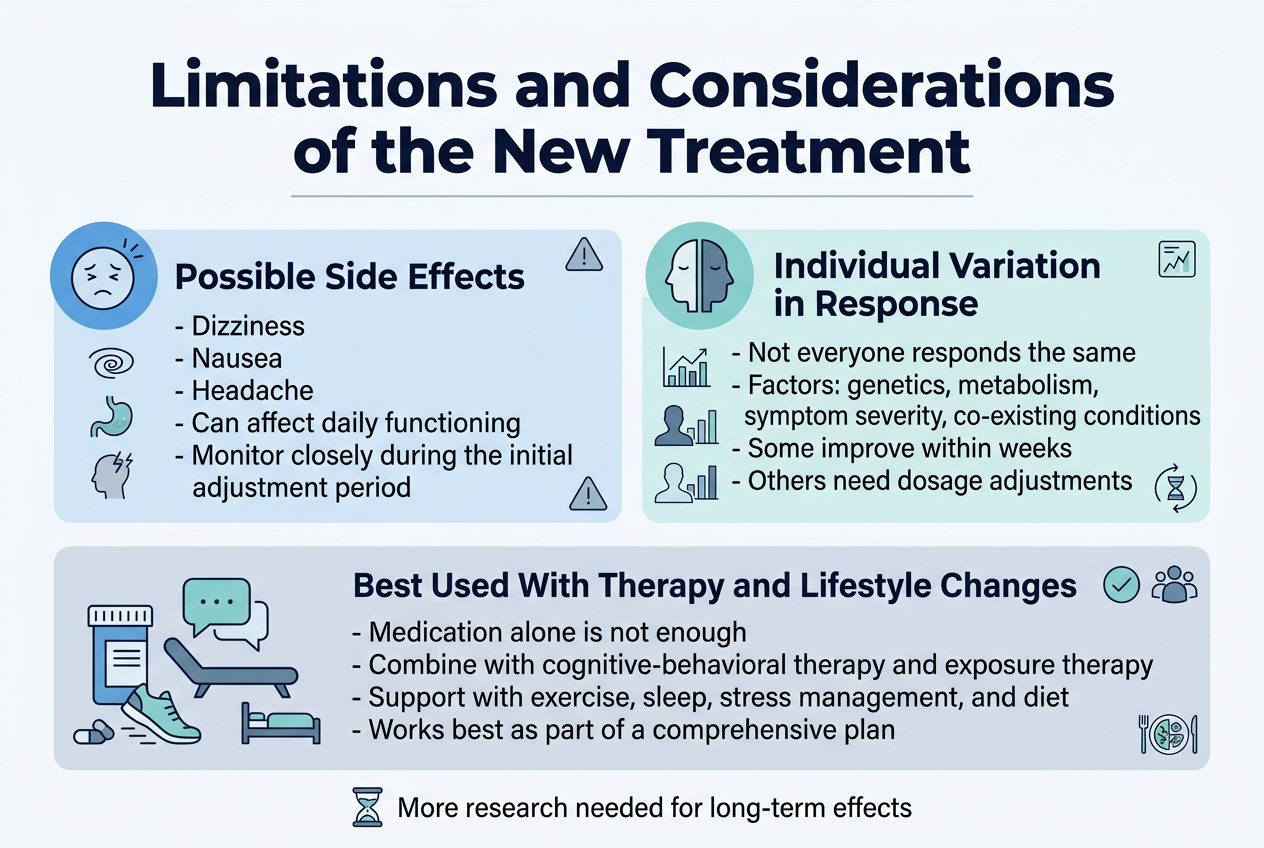
Possible side effects like dizziness, nausea, and headache
Like many medications, the new anxiety drug may cause side effects such as dizziness, nausea, or headache. These common adverse reactions are important considerations for patients and healthcare providers when evaluating whether this treatment option is suitable for individual cases. While these side effects may seem manageable, they can significantly impact a person’s daily functioning and quality of life, particularly during the initial adjustment period.
The occurrence of dizziness can affect balance and coordination, potentially interfering with activities such as driving or operating machinery. Nausea may impact appetite and nutritional intake, while headaches can reduce concentration and productivity. Healthcare providers must carefully monitor patients for these symptoms and provide appropriate guidance on managing them effectively.
More research is needed to fully understand the long-term effects of this new anxiety drug, despite appearing to have a lower risk of addiction and withdrawal symptoms than benzodiazepines. This ongoing research requirement highlights the relatively early stage of development and the need for continued surveillance of patient outcomes over extended periods.
Individual variation in treatment response
The new anxiety drug may not work for everyone, as individual responses to medication can vary significantly. This variation in treatment response represents a fundamental challenge in anxiety management, as factors such as genetics, metabolism, severity of symptoms, and co-existing medical conditions all influence how patients respond to pharmaceutical interventions.
Some individuals may experience substantial symptom relief within weeks of starting treatment, while others may notice minimal improvement or may require dosage adjustments to achieve optimal benefits. This unpredictability necessitates close collaboration between patients and healthcare providers to monitor progress and make necessary modifications to treatment plans.
The variation in response also underscores the importance of personalized medicine approaches in anxiety treatment, where healthcare providers must consider each patient’s unique medical history, current medications, and individual circumstances when determining the most appropriate therapeutic strategy.
Need for combination with therapy and lifestyle changes
The new anxiety drug does not cure anxiety disorders and should be combined with other treatments like therapy and lifestyle changes for effective symptom management. This limitation emphasizes that pharmaceutical intervention alone is insufficient for comprehensive anxiety treatment and that a multidisciplinary approach yields the best outcomes.
Cognitive-behavioral therapy, exposure therapy, and other evidence-based psychological interventions remain essential components of anxiety treatment. These therapeutic approaches help patients develop coping strategies, identify triggers, and modify thought patterns that contribute to anxiety symptoms. When combined with the new medication, therapy can enhance overall treatment effectiveness and provide patients with long-term tools for managing their condition.
Lifestyle modifications, including regular exercise, stress management techniques, adequate sleep, and dietary adjustments, also play crucial roles in anxiety management. The medication may help reduce acute symptoms, but sustainable improvement often requires comprehensive lifestyle changes that support overall mental health and well-being.
Impact on Future Anxiety Treatment Options
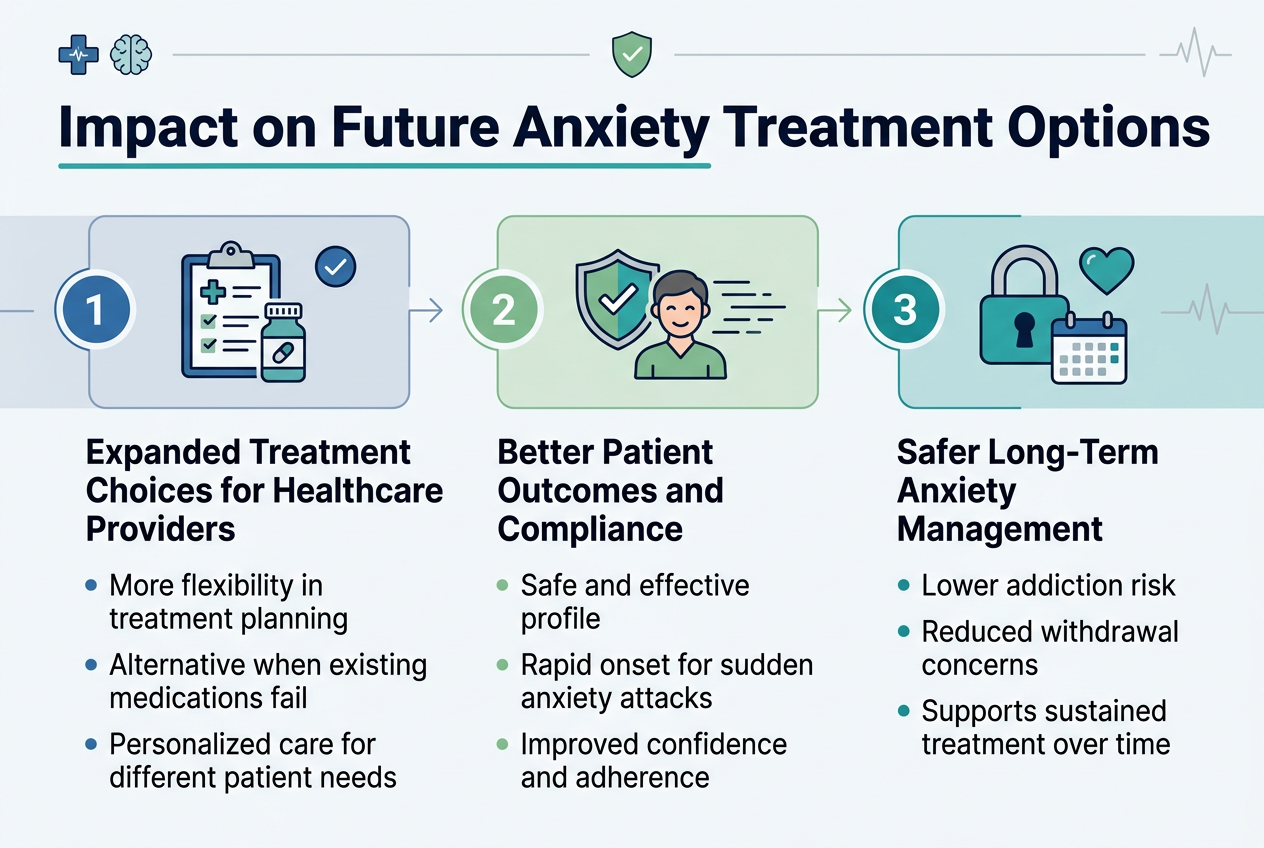
Expanding Treatment Choices for Healthcare Providers
The introduction of this new anxiety drug represents a significant milestone in expanding the therapeutic arsenal available to healthcare providers treating anxiety disorders. With the addition of this innovative treatment option, clinicians now have greater flexibility in tailoring anxiety management approaches to individual patient needs and circumstances. The availability of a safe and effective alternative means healthcare providers can move beyond traditional treatment limitations and offer more personalized care strategies.
This expanded range of treatment choices enables physicians to better address the diverse presentations of anxiety disorders they encounter in clinical practice. When existing medications prove ineffective or cause unacceptable side effects, healthcare providers can confidently turn to this new option as a viable alternative, ensuring that patients receive the most appropriate care for their specific condition.
Potential for Better Patient Outcomes and Compliance
Now that we have covered the expanded treatment options, the new anxiety drug’s potential to improve patient outcomes and compliance represents another crucial advantage. The medication’s safe and effective profile significantly enhances the likelihood that patients will adhere to their prescribed treatment regimens, a critical factor in achieving successful anxiety management.
The rapid onset of action provided by this new treatment offers particular value for patients experiencing sudden anxiety attacks, allowing for quick intervention when symptoms emerge. This immediate relief capability can dramatically improve quality of life and reduce the psychological impact of unpredictable anxiety episodes. When patients experience prompt symptom relief, their confidence in the treatment increases, leading to better long-term compliance and sustained therapeutic benefits.
Addressing the Need for Safer Long-Term Anxiety Management
With this enhanced treatment landscape in mind, the new anxiety drug’s lower risk of addiction and withdrawal symptoms directly addresses one of the most pressing concerns in anxiety treatment: the need for safer long-term management options. Traditional anxiety medications have often presented challenges regarding dependency potential and discontinuation difficulties, creating barriers to sustained treatment.
The reduced addiction risk associated with this new medication allows both patients and healthcare providers to approach long-term anxiety management with greater confidence. Patients can engage in extended treatment without the constant concern about developing dependency, while healthcare providers can prescribe longer treatment courses without the ethical and clinical dilemmas posed by potentially addictive alternatives. This advancement in safety profile represents a fundamental shift toward more sustainable anxiety management strategies that prioritize both efficacy and patient well-being over extended periods.
FAQ
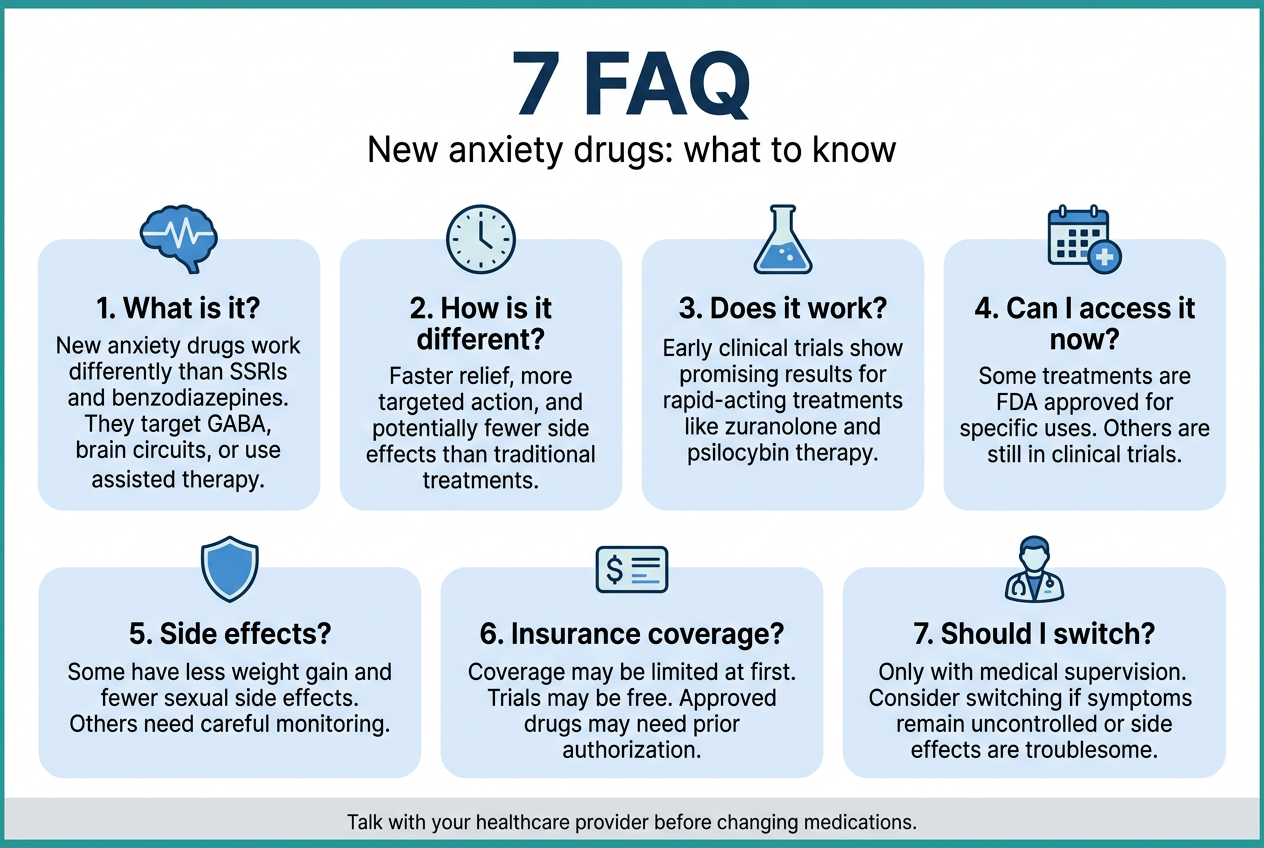
What exactly is the new anxiety drug everyone’s talking about?
The “new anxiety drug” typically refers to emerging medications that work differently from traditional treatments like SSRIs or benzodiazepines. Recent breakthroughs include drugs targeting the brain’s GABA system in novel ways, psychedelic-assisted therapies like psilocybin, and medications that focus on specific neural pathways involved in anxiety responses. These treatments represent a shift away from the one-size-fits-all approach of current medications.
How is this different from medications I’m already taking?
Current anxiety medications often take weeks to show effects and come with significant side effects. New treatments aim to provide faster relief with fewer unwanted effects. While traditional SSRIs work on serotonin broadly throughout the brain, newer drugs target specific receptors or brain circuits directly involved in anxiety. Some experimental treatments can show improvements within hours or days rather than weeks.
Are these new treatments actually proven to work?
Clinical trials for several new anxiety treatments show promising results. Research on compounds like zuranolone demonstrates rapid-acting effects in treating anxiety and depression. Psychedelic-assisted therapy studies reveal significant anxiety reduction in controlled settings. However, most of these treatments are still in various stages of clinical testing, with only a few receiving FDA approval for specific conditions.
Can I get access to these new treatments right now?
Access depends on which specific treatment you’re interested in and where you live. Some newer medications have received FDA approval for certain conditions, while others remain in clinical trials. Your doctor can help determine if you’re a candidate for any approved new treatments or eligible clinical trials in your area.
What side effects should I expect?
Side effect profiles vary significantly between different new treatments. Some show fewer sexual side effects and less weight gain compared to traditional antidepressants. However, newer doesn’t always mean safer. Some treatments require careful monitoring, and others may have unique side effects not seen with conventional medications. Always discuss potential risks with your healthcare provider.
Will insurance cover these new anxiety treatments?
Insurance coverage for new treatments can be limited initially. Recently approved medications may face coverage restrictions until they establish a track record. Experimental treatments in clinical trials are often provided at no cost to participants, but accessing approved new treatments outside of trials may require prior authorization or could be expensive until insurance policies catch up.
Should I switch from my current medication to something newer?
Switching medications should only happen under medical supervision. If your current treatment works well with manageable side effects, there may be no reason to change. New treatments might be worth considering if you’re experiencing inadequate symptom control, troublesome side effects, or have treatment-resistant anxiety. Your doctor can help weigh the potential benefits and risks of switching based on your specific situation.
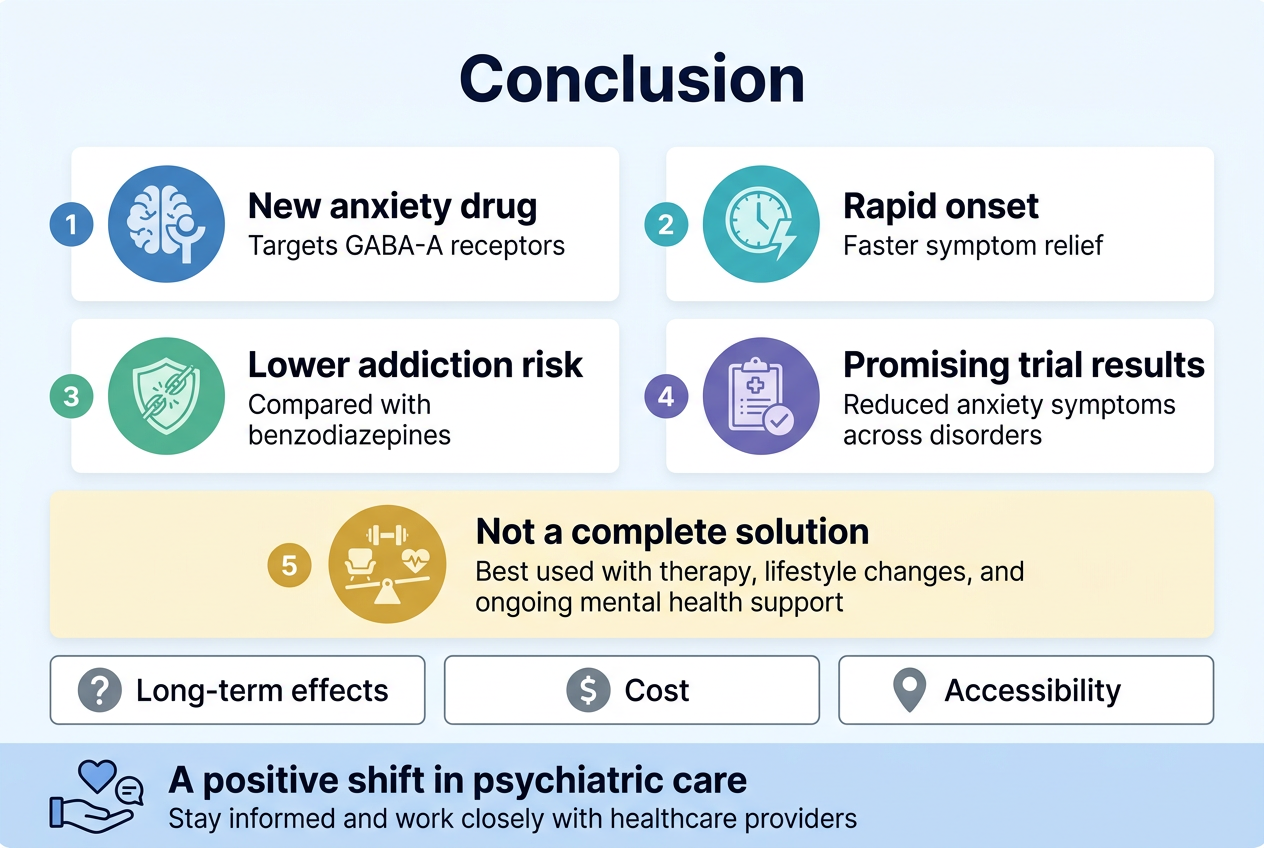
The emergence of this new anxiety drug represents a significant step forward in mental health treatment, offering hope for the millions of people affected by anxiety disorders. With its unique mechanism targeting GABA-A receptors, rapid onset of action, and reduced risk of addiction compared to traditional benzodiazepines, this medication addresses many of the limitations that have long plagued anxiety treatment. The promising clinical trial results demonstrate its potential to effectively reduce symptoms across various anxiety disorders while minimizing the concerning side effects associated with current medications.
However, it’s important to remember that no single medication is a complete solution for anxiety disorders. This new drug should be viewed as one valuable tool in a comprehensive treatment approach that includes therapy, lifestyle modifications, and ongoing mental health support. While questions remain about long-term effects, cost, and accessibility, the development of safer, more effective anxiety medications signals a positive shift in psychiatric care. For those struggling with anxiety, staying informed about emerging treatments and working closely with healthcare providers remains the best path toward finding relief and improving quality of life.
New Anxiety Drug | New Anxiety Drug | New Anxiety Drug | New Anxiety Drug | New Anxiety Drug | New Anxiety Drug | New Anxiety Drug New Anxiety Drug |New Anxiety Drug
RELATED POSTS
View all