Uncategorized
How Drugs Help Mental Health
May
How Drugs Help Mental Health
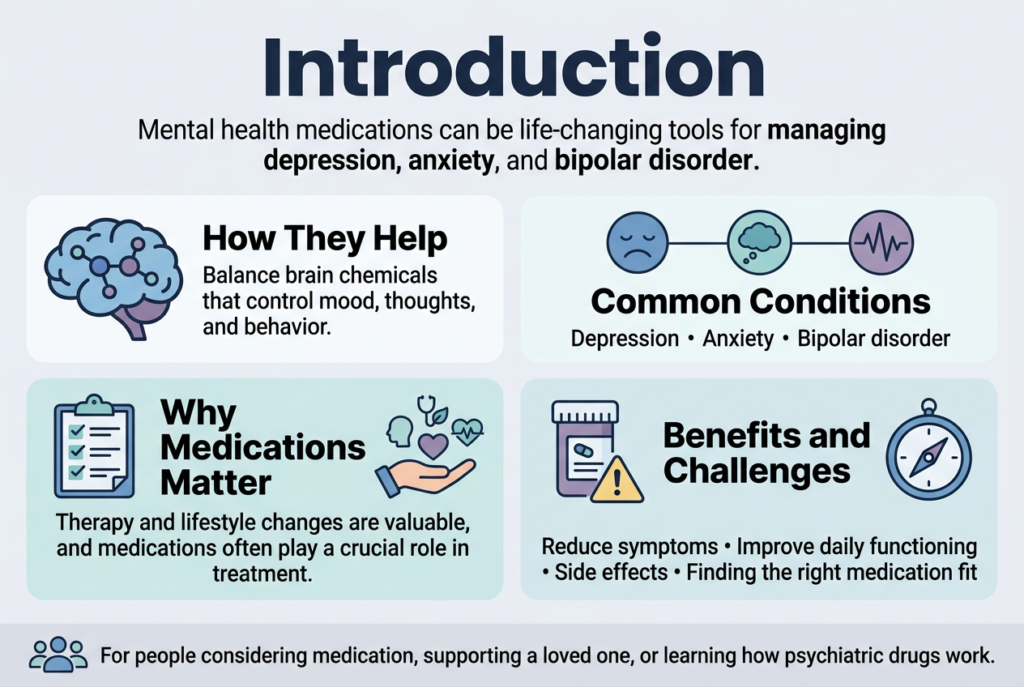
Mental health medications can be life-changing tools for managing conditions like depression, anxiety, and bipolar disorder. This guide is for anyone curious about psychiatric drugs—whether you’re considering medication for yourself, supporting a loved one, or simply want to understand how these treatments work.
Mental health disorders affect millions of people worldwide, and while therapy and lifestyle changes are valuable, medications often play a crucial role in treatment. How drugs help mental health comes down to their ability to balance brain chemicals that control mood, thoughts, and behavior.
We’ll walk through the most common types of psychiatric medications and how they target different mental health conditions. You’ll also learn about the real benefits these drugs can offer—from reducing symptoms to improving daily functioning—as well as the challenges you might face, including side effects and finding the right medication fit.
Understanding Common Mental Health Disorders
Anxiety Disorders and Their Impact on Daily Life
Anxiety disorders represent one of the most prevalent categories of mental health conditions, fundamentally characterized by excessive worry, fear, or panic that significantly interferes with daily functioning. These disorders manifest in various forms, each presenting unique challenges that can dramatically affect an individual’s quality of life.
Generalized Anxiety Disorder creates a persistent state of heightened worry about everyday situations, making it difficult for individuals to concentrate on work, maintain relationships, or enjoy leisure activities. The constant anticipation of negative outcomes can be mentally and physically exhausting, affecting sleep patterns and overall well-being.
Panic Disorder introduces sudden, intense episodes of fear accompanied by physical symptoms that can be so severe they mimic heart attacks. Social Anxiety Disorder creates overwhelming fear in social situations, often leading to avoidance behaviors that can isolate individuals from meaningful connections and opportunities. Specific Phobias, while focused on particular objects or situations, can still create significant limitations in daily activities and life choices.
Mood Disorders Including Depression and Bipolar
Mood disorders encompass conditions that involve persistent alterations in emotional states, significantly impacting how individuals think, feel, and behave in their daily lives. These disorders are characterized by feelings of sadness, hopelessness, or irritability that extend far beyond normal emotional responses to life’s challenges.
Major Depressive Disorder stands as one of the most debilitating mood disorders, creating persistent feelings of sadness and hopelessness that can last for weeks, months, or even years. This condition affects motivation, energy levels, and the ability to experience pleasure in previously enjoyable activities, often leading to significant impairment in work, relationships, and self-care.
Bipolar Disorder presents a complex pattern of mood episodes that alternate between periods of depression and elevated mood states. During manic or hypomanic episodes, individuals may experience increased energy, decreased need for sleep, and impaired judgment, which can lead to risky behaviors and damaged relationships. The unpredictable nature of these mood swings creates additional challenges in maintaining stability in personal and professional life.
Psychotic Disorders and Reality Distortion
Psychotic disorders represent some of the most serious mental health conditions, fundamentally characterized by a break from reality that can profoundly impact an individual’s ability to function in society. These disorders create significant distortions in perception, thinking, and behavior that require comprehensive understanding and treatment.
Schizophrenia, the most well-known psychotic disorder, involves a complex array of symptoms that can include hallucinations, delusions, disorganized thinking, and severe disruptions in normal behavior patterns. The condition typically emerges in late adolescence or early adulthood and can create substantial challenges in maintaining employment, relationships, and independent living.
Schizoaffective Disorder combines features of schizophrenia with significant mood disorder symptoms, creating an additional layer of complexity in both diagnosis and treatment. This dual presentation means individuals must cope with both the reality distortions characteristic of psychotic disorders and the emotional instability associated with mood disorders.
Personality and Eating Disorders
Personality disorders involve deeply ingrained, unhealthy patterns of thinking and behaving that typically develop by early adulthood and persist across various life situations. These patterns significantly impair relationships, work performance, and overall life satisfaction.
Borderline Personality Disorder creates intense instability in relationships, self-image, and emotions, often leading to impulsive behaviors and chronic feelings of emptiness. Narcissistic Personality Disorder involves grandiose self-perception and lack of empathy for others, creating significant challenges in forming genuine connections and maintaining healthy relationships.
Eating disorders represent another critical category, characterized by abnormal eating habits and an unhealthy relationship with food that can have severe physical and psychological consequences. Anorexia Nervosa involves restrictive eating patterns and distorted body image that can lead to dangerous weight loss. Bulimia Nervosa combines binge eating episodes with compensatory behaviors, while Binge Eating Disorder involves recurrent episodes of consuming large amounts of food without compensatory behaviors. Understanding how drugs help mental health becomes particularly relevant when considering the comprehensive treatment approaches needed for these complex conditions.
How Mental Health Medications Work
Neurotransmitter Regulation in the Brain
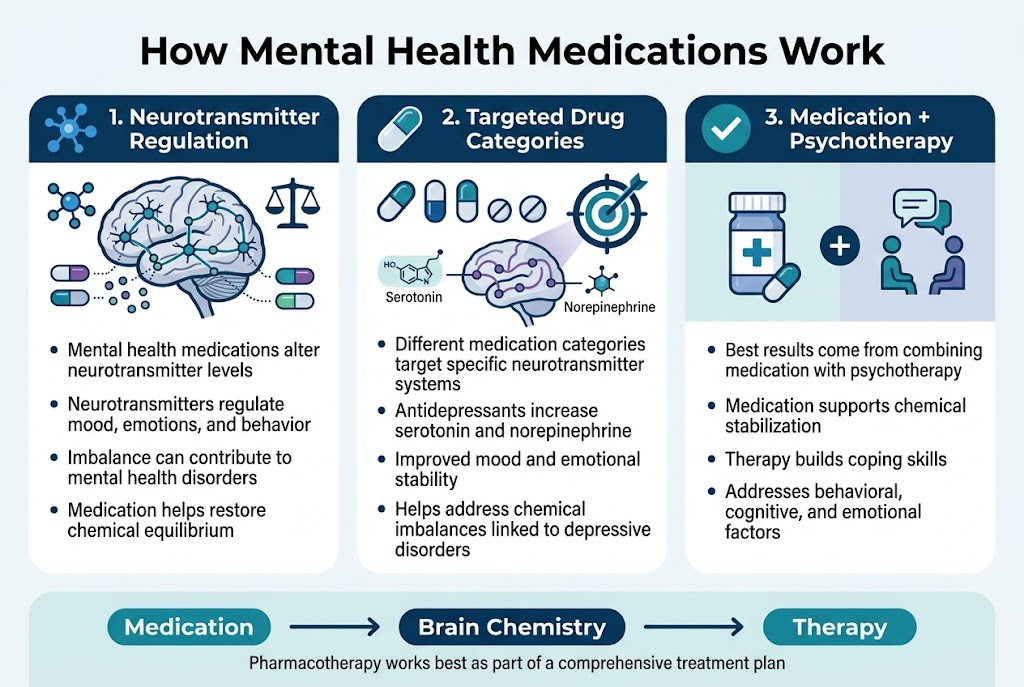
Mental health medications work by directly altering the levels of specific chemicals in the brain called neurotransmitters. These critical substances regulate essential functions including mood, emotions, and behavior patterns. When neurotransmitter levels become imbalanced, various mental health disorders can develop, making medication intervention necessary to restore proper chemical equilibrium.
The brain’s complex neurotransmitter system relies on delicate chemical messaging between neurons. Drugs designed for mental health treatment target these specific pathways to correct imbalances that contribute to psychological disorders. For example, antidepressants work by increasing neurotransmitters like serotonin and norepinephrine, which are essential for mood regulation and emotional stability. This targeted approach allows medications to improve mood, regulate emotions, and even disrupt pain signals that may contribute to certain mental health conditions.
Different Drug Categories for Specific Conditions
Various categories of psychiatric medications are designed to address specific neurotransmitter imbalances associated with different mental health disorders. Each drug category focuses on particular neurotransmitter systems to provide targeted relief for specific conditions.
Antidepressants represent one of the most widely prescribed categories, specifically formulated to increase levels of mood-regulating neurotransmitters such as serotonin and norepinephrine. This targeted approach helps improve overall mood and emotional regulation while addressing the chemical imbalances underlying depressive disorders.
Combination with Psychotherapy for Best Results
Drug therapy, also known as pharmacotherapy or psycho-pharmacotherapy, represents a comprehensive approach to treating psychological disorders through medication intervention. However, the most effective treatment outcomes are typically achieved when medication is combined with other forms of psychotherapy rather than used as a standalone solution.
This integrated approach recognizes that mental health treatment benefits from addressing both the chemical imbalances in the brain through medication and the behavioral, cognitive, and emotional aspects through therapeutic interventions. The combination strategy allows patients to experience the chemical stabilization provided by medications while simultaneously developing coping skills and addressing underlying psychological factors through therapy sessions.
Types of Psychiatric Medications and Their Functions
Antidepressants for Depression and Anxiety Treatment
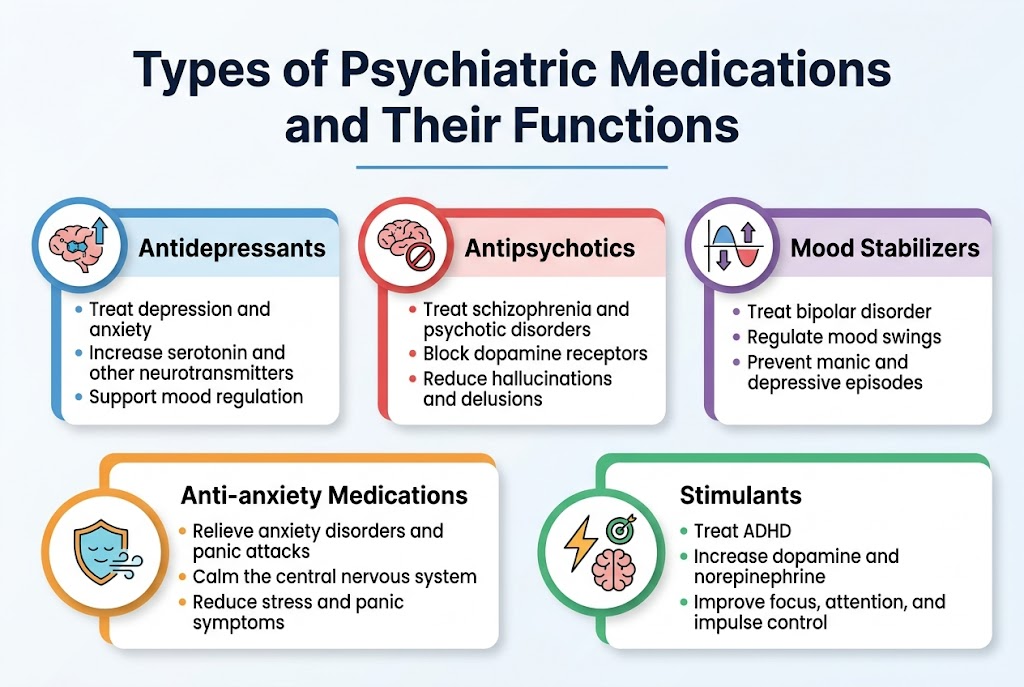
Antidepressants serve as a cornerstone in modern psychiatric treatment, specifically designed to address depression, anxiety, and certain personality disorders. These medications function by increasing serotonin levels and other crucial neurotransmitters in the brain, helping to restore chemical balance and alleviate symptoms that significantly impact daily functioning.
The mechanism of action for antidepressants focuses on enhancing neurotransmitter availability in synaptic spaces, which directly influences mood regulation and emotional stability. By targeting serotonin pathways, these medications can effectively reduce depressive episodes and manage anxiety symptoms that often co-occur with mood disorders.
Antipsychotics for Psychotic Disorder Management
Moving beyond mood disorders, antipsychotics play a vital role in treating psychotic disorders such as schizophrenia. These powerful medications work by blocking dopamine receptors in the brain, which helps control hallucinations, delusions, and other symptoms associated with psychotic episodes.
The dopamine-blocking action of antipsychotics is crucial for managing the complex symptoms of psychotic disorders, providing patients with improved cognitive function and better reality testing capabilities.
Mood Stabilizers for Bipolar and Mood Regulation
Mood stabilizers represent another essential category in understanding how drugs help mental health, particularly for individuals with bipolar disorder and other mood-related conditions. These medications work by regulating mood swings and preventing manic episodes that can be disruptive and potentially dangerous.
The regulatory function of mood stabilizers helps maintain emotional equilibrium, allowing individuals to experience more stable moods and improved quality of life while reducing the frequency and intensity of both manic and depressive episodes.
Anti-anxiety Medications for Panic and Stress Relief
Anti-anxiety medications provide targeted relief for those experiencing anxiety disorders and panic attacks. These medications work by calming the central nervous system, effectively reducing the physiological and psychological symptoms associated with excessive anxiety and panic responses.
The calming effect on the central nervous system helps individuals manage acute anxiety symptoms and provides relief from the overwhelming sensations that characterize panic disorders.
Stimulants for ADHD and Attention Improvement
Stimulants are specifically utilized for treating attention-deficit/hyperactivity disorder (ADHD) by increasing dopamine and norepinephrine levels in the brain. This neurotransmitter enhancement directly improves focus, attention span, and impulse control in individuals with ADHD.
The increased levels of these key neurotransmitters help optimize brain function related to attention and executive functioning, enabling better concentration and behavioral regulation.
Benefits of Drug Treatment for Mental Health
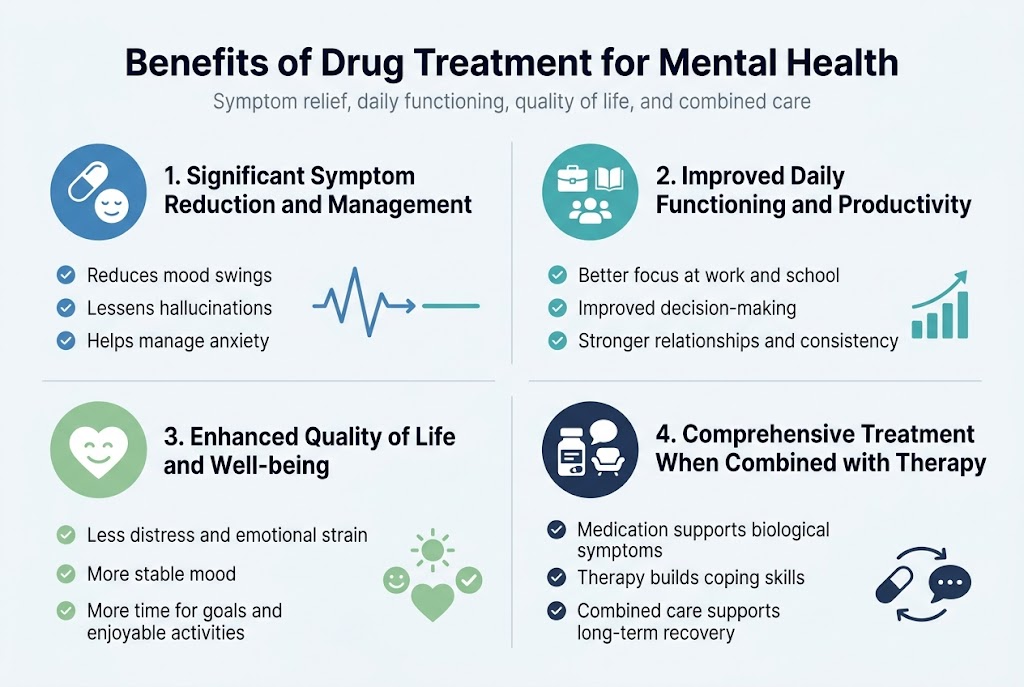
Significant Symptom Reduction and Management
Drug treatment provides substantial relief from the core symptoms of mental health disorders, offering patients the opportunity to regain control over their daily lives. Medications effectively decrease the frequency and severity of debilitating symptoms such as mood swings, which can dramatically disrupt a person’s emotional stability. For individuals experiencing hallucinations, psychiatric medications work to reduce these distressing perceptual disturbances that can interfere with reality testing and social functioning.
Anxiety symptoms, which can be overwhelming and paralyzing, are also significantly managed through appropriate drug treatment. This symptom reduction allows individuals to break free from the cycle of distress that often perpetuates mental health conditions. The consistent management of these symptoms through medication creates a foundation for recovery and stability.
Improved Daily Functioning and Productivity
Now that we understand how drugs help mental health through symptom management, it’s crucial to recognize their impact on practical daily functioning. Medication treatment enables individuals to perform better in critical life areas including work environments, educational settings, and personal relationships. When symptoms are properly controlled, patients can concentrate more effectively, make better decisions, and maintain consistent performance standards.
Productivity levels often increase significantly as medications reduce the cognitive fog and emotional turbulence that interfere with task completion. Students can focus on their studies, professionals can meet work demands, and individuals can maintain meaningful social connections that were previously strained by untreated symptoms.
Enhanced Quality of Life and Well-being
With improved symptom management comes a notable enhancement in overall quality of life. Drug treatment reduces the distress that often accompanies mental health disorders, allowing individuals to experience more positive emotions and stable moods. This mood improvement creates a ripple effect that touches every aspect of a person’s existence, from personal satisfaction to social interactions.
Behavioral improvements resulting from medication treatment enable individuals to engage more fully in activities they enjoy and maintain healthier lifestyle choices. The reduction in mental distress opens up possibilities for personal growth, goal achievement, and the pursuit of meaningful life experiences that may have seemed impossible during periods of acute symptoms.
Comprehensive Treatment When Combined with Therapy
Previously established benefits of medication become even more pronounced when drugs are combined with talk therapy, creating a comprehensive treatment approach. This combination addresses both the biological and psychological aspects of mental health disorders, providing patients with multiple pathways to recovery. While medications manage the physiological symptoms, therapy helps develop coping strategies, insight, and behavioral changes that support long-term mental wellness.
This integrated approach maximizes treatment effectiveness, as medications can create the stability needed for individuals to engage productively in therapeutic work, while therapy provides tools for maintaining progress and preventing relapse.
Challenges and Considerations in Mental Health Medication
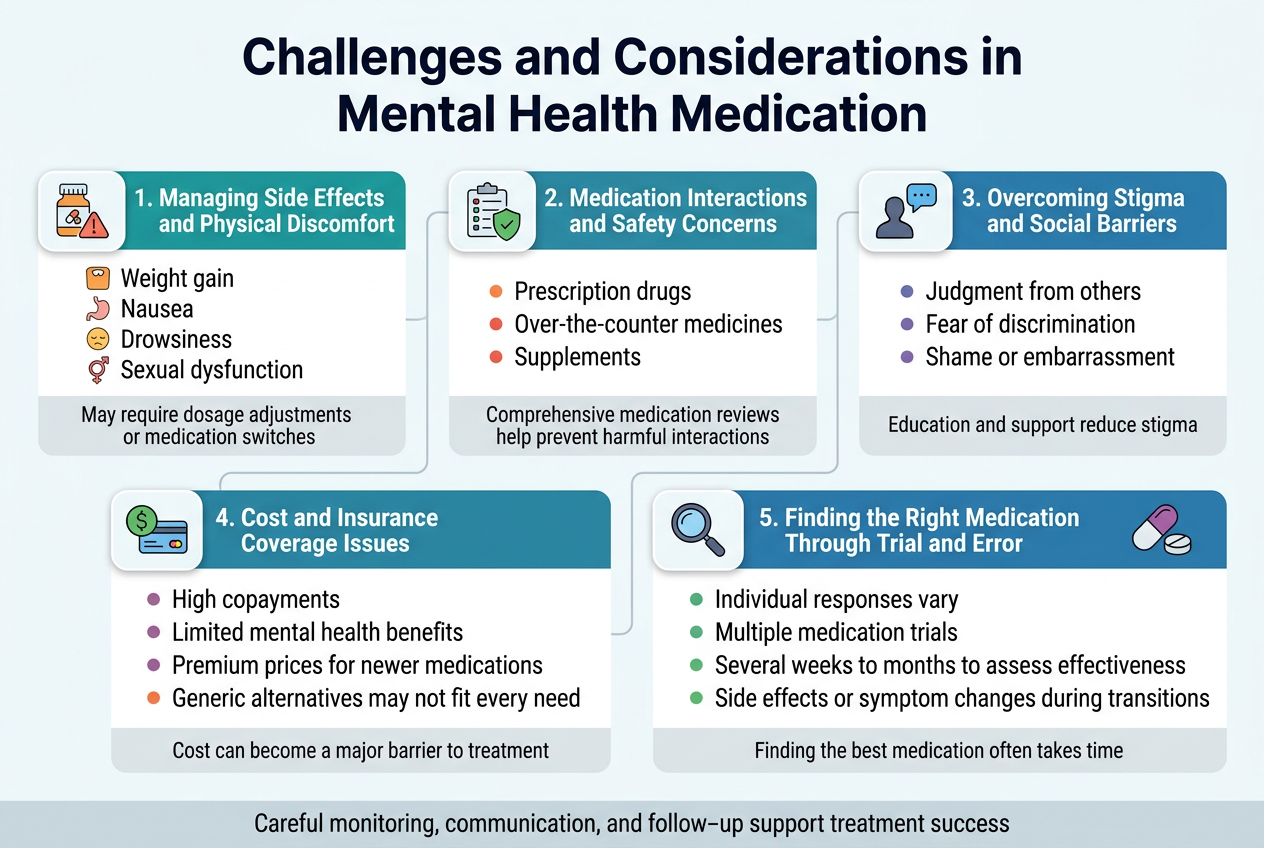
Managing Side Effects and Physical Discomfort
Mental health medications can produce various side effects that significantly impact patients’ daily lives and treatment adherence. Weight gain represents one of the most common concerns, particularly with certain antidepressants and mood stabilizers, which can affect self-esteem and overall health. Nausea frequently occurs during the initial weeks of treatment, making it difficult for patients to maintain their medication regimen. Drowsiness can interfere with work performance and daily activities, while sexual dysfunction creates additional emotional distress and relationship challenges. These physical discomforts require careful monitoring and often necessitate dosage adjustments or medication switches to ensure patients can continue their treatment effectively.
Medication Interactions and Safety Concerns
The complexity of medication interactions presents significant safety challenges in mental health treatment. Psychiatric medications can interact with other prescription drugs, over-the-counter medications, or supplements, potentially leading to dangerous complications. These interactions may reduce the effectiveness of treatments or create harmful side effects that weren’t present with individual medications. Patients with multiple health conditions face particularly complex scenarios where mental health medications must be carefully coordinated with treatments for physical ailments. Healthcare providers must maintain comprehensive medication records and conduct thorough reviews to prevent potentially life-threatening interactions.
Overcoming Stigma and Social Barriers
Social stigma surrounding mental health medications creates substantial barriers to treatment access and adherence. Many individuals face judgment from family members, friends, or colleagues who may view psychiatric medication as a sign of weakness or personal failure. This stigma can prevent people from seeking necessary treatment or cause them to discontinue medications prematurely due to shame or embarrassment. Professional environments may also present challenges where individuals fear discrimination or negative career impacts if their mental health treatment becomes known. Overcoming these social barriers requires both individual courage and broader societal education about how drugs help mental health.
Cost and Insurance Coverage Issues
Financial barriers significantly limit access to mental health medications for many individuals. Insurance coverage varies widely, with some policies providing minimal mental health benefits or requiring high copayments for psychiatric medications. Newer, more effective medications often come with premium prices that make them inaccessible for individuals without comprehensive coverage. Generic alternatives may not always be available or suitable for every patient’s specific needs. These cost considerations can force individuals to choose between essential mental health treatment and other basic necessities, creating additional stress that may worsen their mental health conditions.
Finding the Right Medication Through Trial and Error
The process of identifying the most effective medication involves considerable trial and error, which can be both frustrating and time-consuming for patients seeking relief. Individual responses to psychiatric medications vary significantly, meaning what works effectively for one person may produce minimal benefits or problematic side effects for another. This process often requires multiple medication trials, each lasting several weeks to months to properly assess effectiveness. Patients may experience periods of worsening symptoms or new side effects during transitions between medications, creating emotional and practical challenges while searching for the optimal treatment approach.
The Dual Nature of Drugs and Mental Health
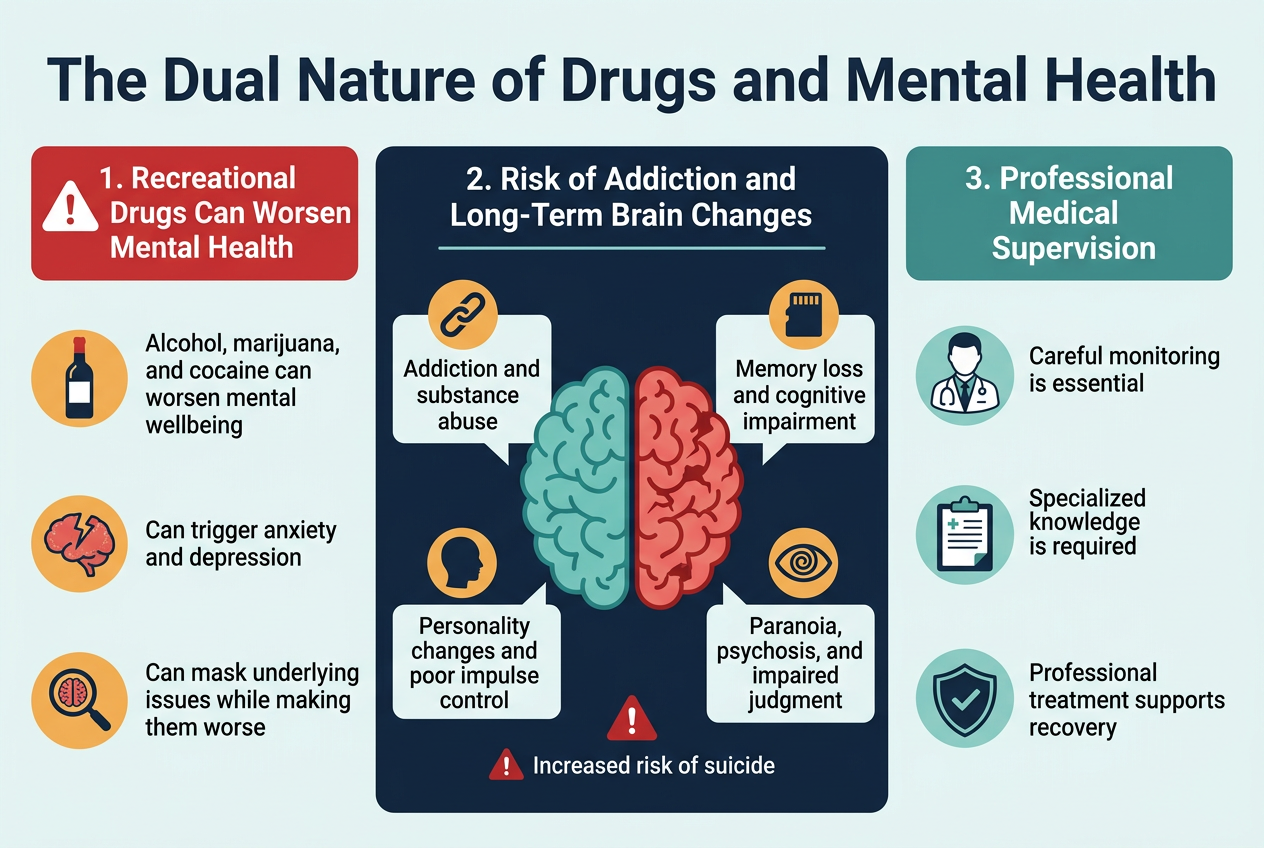
How Recreational Drugs Can Worsen Mental Health
While medications can provide significant benefits for mental health treatment, recreational drugs present a stark contrast with their detrimental effects. Recreational substances, including alcohol, marijuana, and cocaine, pose serious risks to mental wellbeing and can significantly worsen existing mental health conditions. These substances can also trigger new mental health disorders such as anxiety and depression in individuals who previously had no history of psychiatric illness.
The impact of recreational drugs on mental health is particularly concerning because they can mask underlying issues while simultaneously exacerbating them. Unlike prescribed psychiatric medications that are carefully formulated and monitored, recreational drugs create unpredictable chemical reactions in the brain that often lead to deteriorating mental health outcomes.
Risk of Addiction and Long-term Brain Changes
The prolonged use of recreational drugs creates severe consequences that extend far beyond temporary impairment. Long-term drug use leads to fundamental changes in brain chemistry, potentially resulting in permanent mental health issues that persist even after substance use stops. These neurochemical alterations can cause lasting cognitive impairments, significant memory loss, and profound personality changes that affect an individual’s ability to function normally.
Addiction and substance abuse create a cascade of mental health problems including depression, anxiety, paranoia, and psychosis. Users frequently experience impaired cognitive functioning and decreased impulse control, which further compromises their decision-making abilities. The distorted perceptions and impaired judgment associated with drug use create a dangerous cycle where individuals cannot accurately assess their own mental state or the severity of their condition.
Perhaps most alarming is the significantly increased risk of suicide among those struggling with substance abuse, highlighting the critical need for immediate intervention and professional treatment.
Importance of Professional Medical Supervision
Now that we have covered the serious risks associated with recreational drug use, it becomes clear why professional medical supervision is essential when addressing both substance abuse and mental health concerns. The complex interplay between drugs and mental health requires specialized knowledge and careful monitoring that only qualified healthcare professionals can provide.
7 FAQ
Can psychiatric medications cure mental health disorders?
Psychiatric medications don’t cure mental health disorders but effectively manage symptoms to improve quality of life. These drugs work by correcting chemical imbalances in the brain, allowing people to function better daily. Think of them like diabetes medication – they control the condition rather than eliminate it completely. Many people take psychiatric medications long-term to maintain stability and prevent symptom flare-ups.
How long does it take for mental health drugs to work?
Most psychiatric medications take several weeks to show full effects, though some people notice changes within days. Antidepressants typically require 4-6 weeks for maximum benefit, while mood stabilizers may need 2-3 months. Your doctor will monitor progress and adjust dosages as needed during this period.
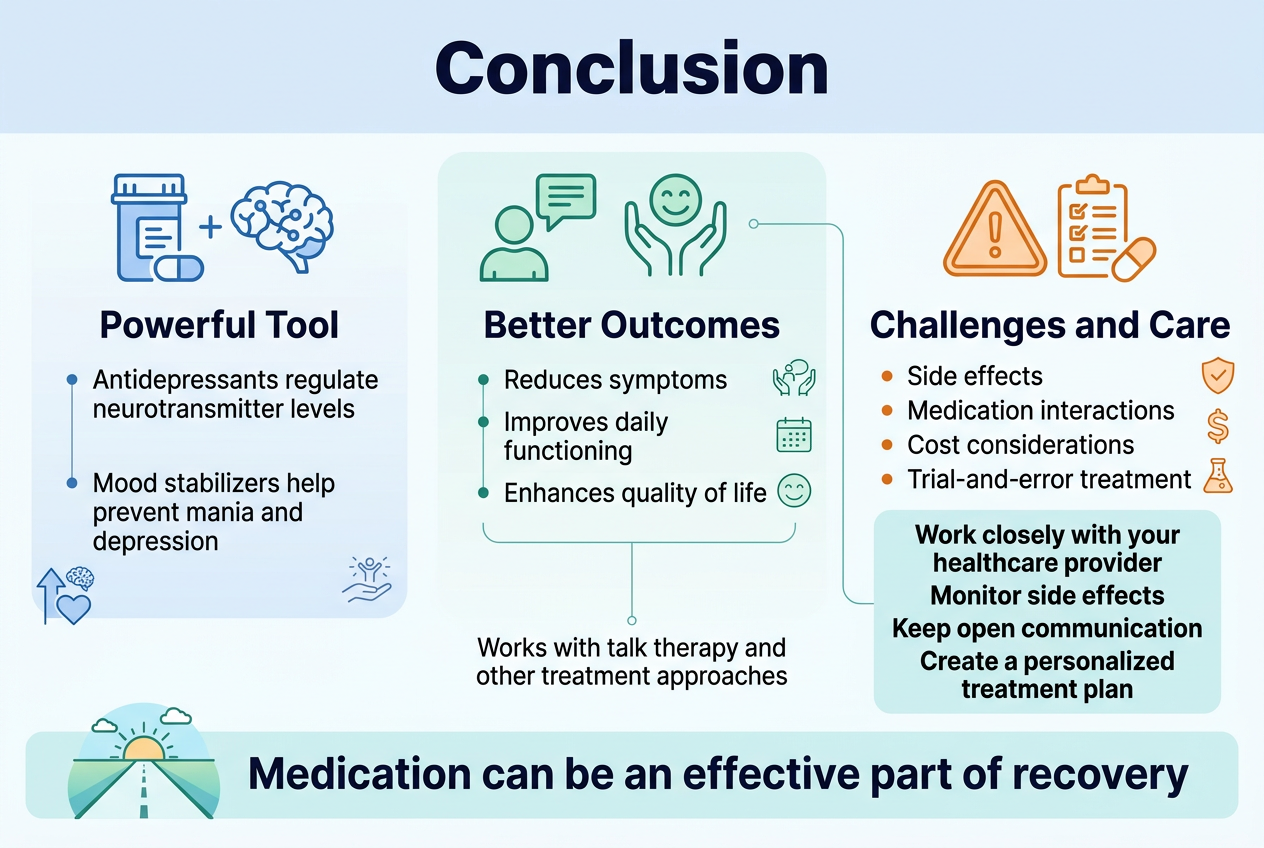
Mental health medications represent a powerful tool in the comprehensive treatment of psychiatric disorders. From antidepressants that regulate neurotransmitter levels to mood stabilizers that prevent episodes of mania and depression, these drugs can significantly reduce symptoms, improve daily functioning, and enhance quality of life for millions of individuals worldwide. When combined with talk therapy and other treatment approaches, psychiatric medications offer hope and relief for conditions ranging from anxiety and depression to schizophrenia and bipolar disorder.
However, the journey with mental health medications is not without its challenges. Side effects, medication interactions, cost considerations, and the trial-and-error process of finding the right treatment require patience and close collaboration with healthcare professionals. Despite these obstacles, the benefits often outweigh the risks for many individuals struggling with mental health disorders. Working closely with your healthcare provider to develop a personalized treatment plan, monitoring for side effects, and maintaining open communication about your progress can help ensure that medication becomes an effective component of your overall mental health recovery journey.
