
buy cough syrup
EUPHON sirop prix sans ordonnance
Jul
EUPHON Sirop Toux 300ml – Efficacité Maximum Sans Ordonnance Wocklean

Dealing with a dry, irritating cough that just won’t quit? EUPHON sirop prix sans ordonnance is a question a lot of people search when they need fast relief without the hassle of a doctor’s visit. This guide is for adults and teens over 12 who want straight answers before reaching for this codeine-based cough syrup.
Here’s what we’ll cover: how EUPHON syrup actually works and what’s inside it, the right way to take it so you stay safe, and the key warnings you need to know — especially if you’re pregnant, diabetic, or prone to allergies.
Overview of EUPHON Syrup
Classification as an Antitussive Medication
Why Euphon Syrup 300ml Is a Trusted Choice for Cold and Cough Relief
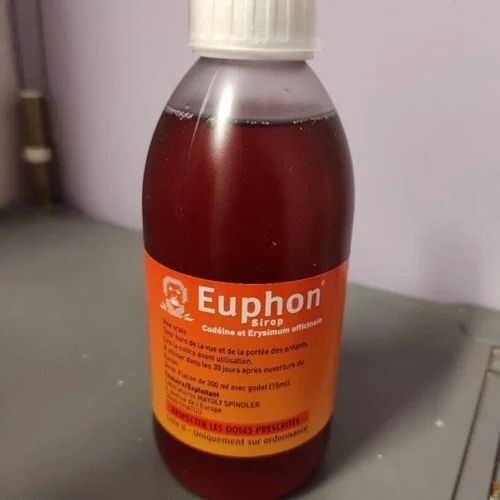
EUPHON syrup belongs to a well-defined pharmacological category known as antitussive medications. This classification is not arbitrary — it reflects the syrup’s core mechanism of action, which is specifically designed to suppress or calm the cough reflex. Antitussives work by acting on the cough center or the peripheral nerve pathways involved in triggering a cough, thereby reducing its frequency and intensity.
Understanding this classification is essential for patients and caregivers, as it helps differentiate EUPHON syrup from other cough-related products such as expectorants (which loosen mucus) or mucolytics (which thin secretions). EUPHON syrup does not aim to expel mucus — rather, its primary role is to quiet the cough itself.
This distinction places EUPHON syrup in a targeted therapeutic category, making it a purposeful choice when the goal is cough suppression rather than mucus clearance.
Primary Indication for Dry and Irritative Coughs
EUPHON syrup is specifically indicated for two closely related types of cough:
Dry coughs — coughs that do not produce mucus or phlegm
Irritative coughs — also referred to as non-productive coughs, these are triggered by irritation in the throat or airways without any meaningful secretion
These two cough types are often grouped together because they share a common characteristic: they serve no productive purpose in clearing the airways. Unlike a productive cough, which helps expel mucus and foreign particles, a dry or irritative cough can be persistent, uncomfortable, and disruptive to daily life and sleep.
With this in mind, EUPHON syrup is ideally suited for situations where the cough itself needs to be calmed rather than facilitated. Common triggers for this type of cough may include throat irritation, environmental factors, or post-viral sensitivity of the airways.
By targeting these specific cough types, EUPHON syrup provides focused relief, making it a clinically appropriate option when a physician or pharmacist identifies a non-productive cough as the primary complaint.
Available Without Prescription and Pricing Information
One of the most practical and patient-friendly aspects of EUPHON syrup is its over-the-counter (OTC) availability. EUPHON sirop is available sans ordonnance, meaning that individuals experiencing dry or irritative coughs can access this antitussive medication directly at a pharmacy without needing a prior medical consultation or a written prescription.
This accessibility offers several key advantages:
| Advantage | Details |
|---|---|
| Convenience | No appointment or prescription required |
| Speed of Access | Treatment can begin immediately after purchase |
| Pharmacist Guidance | A pharmacist can advise on appropriate use at the point of sale |
| Autonomy | Patients can manage mild, non-productive coughs independently |
Now that we have covered the classification and primary indications of EUPHON syrup, it is worth addressing the topic of EUPHON sirop prix sans ordonnance. Regarding pricing, it is important to note that no specific pricing data is currently available within the scope of the information provided. Pricing can vary depending on the pharmacy, geographic region, and any applicable health coverage or reimbursement schemes in place.
For the most accurate and up-to-date pricing information, patients are strongly encouraged to:
Contact their local pharmacy directly
Check with their health insurance provider to understand any potential reimbursement
Consult official pharmaceutical databases or the manufacturer’s information
Despite the absence of a fixed published price in the current data, the fact that EUPHON sirop is available sans ordonnance already represents a significant accessibility benefit for those seeking prompt relief from dry and irritative coughs.
Active Ingredients and Composition
A. Codeine as the Main Active Substance
At the heart of EUPHON sirop’s formulation lies codeine, a well-established opioid antitussive that serves as the primary active substance. Codeine is present at a concentration of 0.100 g per 100 ml of syrup, making its dosage both measurable and consistent across each administration.
To better understand how codeine content scales with each dose, the following table provides a clear breakdown:
| Dose Volume | Codeine Content |
|---|---|
| 5 ml | 5 mg |
| 10 ml | 10 mg |
| 15 ml | 15 mg |
This precise dosing structure ensures that patients and caregivers can accurately track codeine intake, which is particularly important given its classification as a controlled substance in many countries. Whether you are exploring EUPHON sirop prix sans ordonnance considerations or simply seeking to understand what you are taking, knowing the exact codeine content per dose is essential for safe and responsible use.
B. Erysimum Officinale Dry Extract and Its Role
The second active ingredient found in EUPHON sirop is Erysimum Officinale dry extract, standardized on a maltodextrin carrier. It is present at a concentration of 0.300 g per 100 ml of syrup, making it the most abundant active substance by weight in the formulation.
Erysimum Officinale, commonly known as hedge mustard, has traditionally been associated with respiratory and throat-related applications in herbal medicine. In EUPHON sirop’s composition, this botanical extract complements the codeine component, creating a dual-action formula. While the specific therapeutic mechanism of the Erysimum Officinale extract within this particular product is not detailed in the available clinical data, its inclusion as a named active ingredient — rather than an excipient — underscores its pharmacological relevance within the formula.
The use of maltodextrin as a carrier for the dry extract is a common pharmaceutical technique that improves the stability, flowability, and homogeneity of plant-derived extracts within liquid formulations. This standardization process ensures batch-to-batch consistency in the syrup.
C. Key Excipients Including Alcohol and Saccharose Content
Now that we have covered the two active substances, it is equally important to examine the excipients that make up the remainder of EUPHON sirop’s composition. While excipients do not produce direct therapeutic effects, they play a critical role in the syrup’s palatability, preservation, and stability.
The key excipients found in EUPHON sirop include:
Alcohol (ethanol) — present at 2.7% V/V
Saccharose — a sugar base contributing to the syrup’s sweetness and viscosity
Cochineal Red A (E124) — a colorant providing the syrup’s characteristic appearance
Methyl parahydroxybenzoate (E218) — a preservative
Propyl parahydroxybenzoate (E216) — a secondary preservative
The alcohol and saccharose content per dose deserve particular attention, as they carry specific relevance for patients with diabetes, alcohol sensitivity, or those on calorie-restricted diets. The table below summarizes these values clearly:
| Dose Volume | Absolute Alcohol | Saccharose Content |
|---|---|---|
| 5 ml | 107 mg | 3.43 g |
| 10 ml | 213 mg | 6.85 g |
| 15 ml | 320 mg | 10.28 g |
With this in mind, patients who are sensitive to alcohol or who must monitor their sugar intake should factor these values into their overall daily consumption. The presence of E218 and E216 (parahydroxybenzoate preservatives) is also worth noting, as these compounds can occasionally trigger hypersensitivity reactions in susceptible individuals — a point that will be explored further in the sections covering precautions and side effects.
Correct Dosage and Administration Guidelines

Recommended Dosage for Adults
For adults seeking clarity on how to use EUPHON sirop correctly — whether obtained with or without a prescription — the dosage guidelines are straightforward but must be followed precisely to ensure both safety and effectiveness.
The recommended dose for adults is 1 to 2 tablespoons, or the equivalent of a 15 ml graduated cup, taken per dose. If symptoms persist, this dose may be renewed after 6 hours, provided it is genuinely necessary. However, it is critical never to exceed 4 doses per day.
A key safety threshold to keep in mind: the daily dose of codeine must not exceed 120 mg. Exceeding this limit can lead to serious adverse effects, as codeine is an opioid-derived compound that carries real risks when misused or overdosed.
| Parameter | Adult Guideline |
|---|---|
| Dose per intake | 1 to 2 tablespoons (15 ml) |
| Minimum interval between doses | 6 hours |
| Maximum doses per day | 4 |
| Maximum daily codeine dose | 120 mg |
Dosage Instructions for Children Over 12 Years
Now that we have covered adult dosing, it is equally important to understand the specific guidelines established for children over 12 years of age, as their dosage differs meaningfully from adults and must be adapted to body weight.
For children weighing between 40 and 50 kg (approximately 12 to 15 years old), the prescribed dose is 1 graduated cup of 15 ml or 1 tablespoon per intake. As with adults, this dose may be renewed after 6 hours if the cough continues, but must never exceed 4 doses per day.
The most critical distinction for this age group is the weight-based codeine ceiling: the daily codeine intake must not exceed 1 mg per kilogram of body weight. This means dosing must be carefully calculated and adjusted according to the child’s actual weight rather than simply mirroring adult quantities.
| Parameter | Children (40–50 kg / ~12–15 years) |
|---|---|
| Dose per intake | 1 tablespoon or 1 x 15 ml cup |
| Minimum interval between doses | 6 hours |
| Maximum doses per day | 4 |
| Maximum daily codeine dose | 1 mg/kg of body weight |
⚠️ It is strongly advised never to administer EUPHON sirop to children under 12 years of age, as this age group is not covered by the dosing guidelines provided.
Frequency, Duration, and Timing of Treatment
With this in mind, next we will examine how to properly time and structure the overall treatment course, which is just as important as getting the individual dose right.
EUPHON sirop should only be administered when a cough is actually present. This is a demand-driven treatment — it is not intended to be taken preventively or on a fixed daily schedule regardless of symptoms. If symptoms resolve, there is no reason to continue the syrup.
The treatment duration should remain short — typically just a few days. Prolonged use is not recommended and may increase the risk of dependence or side effects associated with codeine.
Timing flexibility is another important consideration. If the cough is only bothersome in the evening, a single nightly dose may be entirely sufficient to manage symptoms effectively without exposing the patient to unnecessary doses throughout the day.
Key guidelines to keep in mind:
✅ Take only when coughing occurs — not on a preventive basis
✅ Keep treatment short — a few days maximum
✅ A single evening dose may suffice if coughing is limited to nighttime
❌ Do not increase doses arbitrarily if the syrup appears ineffective
❌ Do not combine EUPHON sirop with other antitussive medications without first consulting a healthcare professional
If the treatment does not seem to be working as expected, the correct course of action is to seek medical advice rather than self-adjusting the dosage or adding other cough suppressants. Combining antitussive agents without guidance can result in dangerous interactions, particularly given the codeine content in EUPHON sirop.
Important Contraindications to Be Aware Of
A. Age Restrictions for Children Under 30 Months
One of the most critical contraindications associated with EUPHON sirop is its strict prohibition for use in children under 30 months of age. This age restriction is not a minor precaution — it is an absolute contraindication, meaning the syrup must never be administered to infants and very young toddlers in this age group under any circumstances.
Young children below this age threshold have immature respiratory and neurological systems, making them particularly vulnerable to the active components present in the formulation. Administering EUPHON sirop to children under 30 months could pose serious health risks, and no exception should be made regardless of the severity of symptoms. Parents and caregivers seeking relief options for coughs in very young children should always consult a qualified healthcare professional before using any cough syrup, including EUPHON.
B. Respiratory Insufficiency and Asthmatic Cough Restrictions
Now that we have covered the age restrictions, it is equally important to understand the respiratory-related contraindications that apply to EUPHON sirop.
The syrup is strictly contraindicated in the following two groups of patients:
Individuals with respiratory insufficiency: Patients whose lung function is already compromised should not use EUPHON sirop, as doing so could further impair their breathing capacity and lead to dangerous respiratory complications.
Patients with asthmatic cough: Those who experience coughing as a direct symptom or complication of asthma must also avoid this medication. Asthmatic cough involves a specific bronchial response that can be worsened — not relieved — by certain cough-suppressing formulations.
| Patient Profile | Use of EUPHON sirop |
|---|---|
| Children under 30 months | ❌ Contraindicated |
| Respiratory insufficiency | ❌ Contraindicated |
| Asthmatic cough | ❌ Contraindicated |
| Known allergy to components | ❌ Contraindicated |
These respiratory contraindications are particularly significant for individuals who may be looking at EUPHON sirop prix sans ordonnance options, as the ease of over-the-counter access does not eliminate the need to carefully evaluate whether this medication is appropriate for their specific condition.
C. Known Allergies to Specific Components
With this in mind, we now turn to another essential contraindication: known allergies to the specific components found in EUPHON sirop. This contraindication is especially important because allergic reactions can range from mild discomfort to life-threatening anaphylaxis.
EUPHON sirop is contraindicated in individuals with a known allergy to any of its components, with particular attention to the following substances:
Methyl parahydroxybenzoate (a type of paraben used as a preservative)
Propyl parahydroxybenzoate (another paraben-based preservative)
Cochineal red A (a synthetic food dye used as a colorant in the syrup)
These compounds, while commonly used in pharmaceutical formulations, are known to cause allergic reactions in sensitive individuals. Parabens, in particular, are associated with contact sensitivity, and cochineal red A has been linked to allergic responses in susceptible patients.
Before using EUPHON sirop — even when purchasing it without a prescription — users must carefully review the full list of excipients and inactive ingredients. If there is any history of allergy or hypersensitivity to any of the above substances, the medication should be entirely avoided and an alternative treatment should be sought in consultation with a healthcare provider.
> Important: The presence of allergens like methyl and propyl parahydroxybenzoates and cochineal red A underscores why it is critical to read the product label thoroughly before administration, even for medications available sans ordonnance (without a prescription).
Special Precautions for Safe Use
Warnings Against Use for Productive Coughs
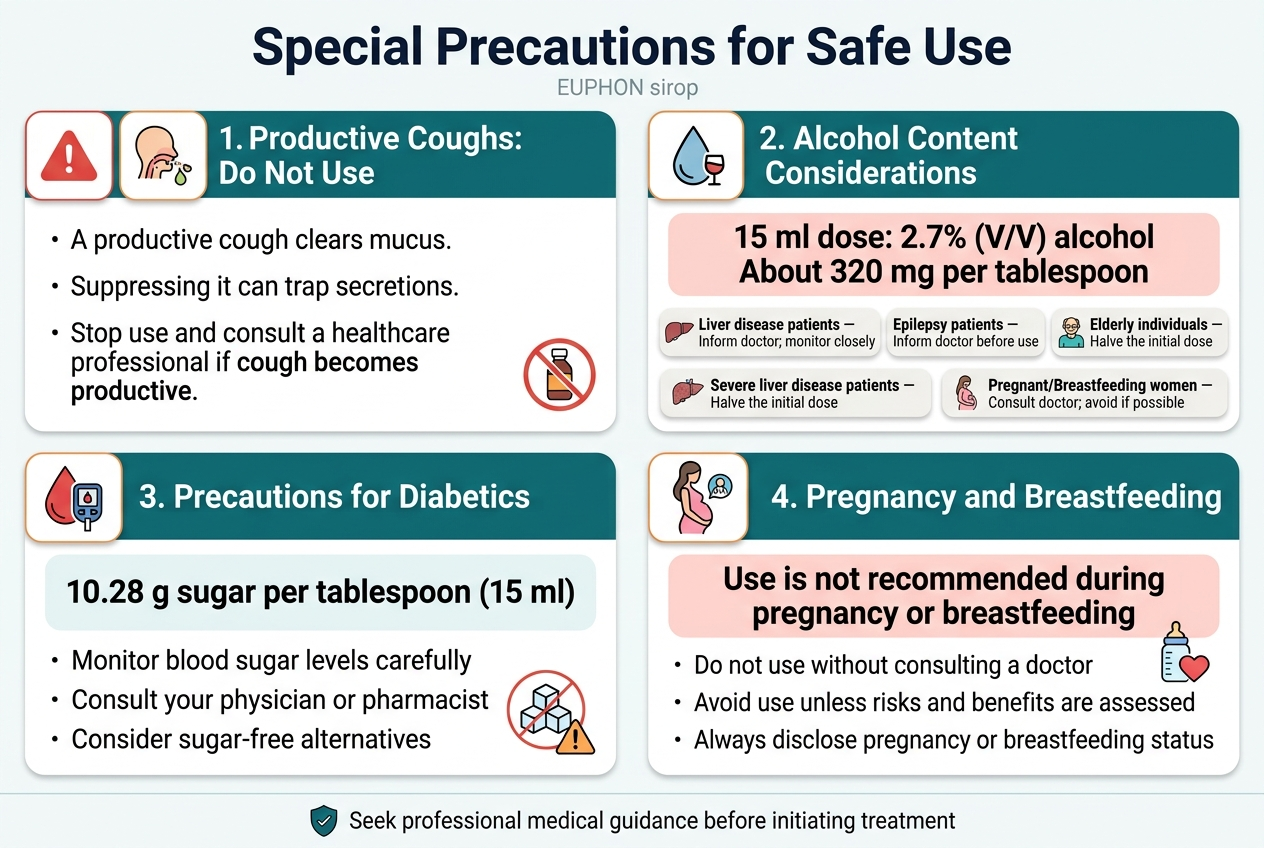
One of the most critical precautions to understand before using EUPHON sirop is its restriction for productive, or “chesty,” coughs. A productive cough is one that actively expels mucus and secretions from the bronchial passages. In this context, coughing is not a problem — it is a vital, natural defense mechanism that your body uses to clear the airways.
Using a cough suppressant like EUPHON sirop during a productive cough can actually be counterproductive and potentially harmful, as it may trap secretions in the lungs and worsen the underlying condition. If your cough transitions from dry to productive at any point during treatment, it is strongly advised to discontinue use and consult a healthcare professional immediately.
Alcohol Content Considerations for Specific Groups
With this in mind, it is equally important to consider the alcohol content of EUPHON sirop before beginning treatment. Each 15 ml dose contains 2.7% (V/V) alcohol, which equates to approximately 320 mg of alcohol per tablespoon.
While this may seem like a small amount, it carries significant implications for certain groups of individuals. Consider the following key points:
Liver disease patients: The alcohol content can place additional stress on an already compromised liver. Always inform your doctor about any pre-existing liver conditions.
Epilepsy sufferers: Alcohol can interact with epilepsy management, making it essential to disclose this condition to your doctor before use.
Elderly individuals: Due to age-related physiological changes, elderly patients are advised to halve the initial dose to minimize the effects of alcohol.
Patients with severe liver disease: Similar to elderly individuals, those diagnosed with severe liver disease should also begin with a reduced, halved dose as a precautionary measure.
Pregnant or breastfeeding women: Due to the alcohol content, this group must consult a doctor before taking EUPHON sirop, as alcohol can pass to the fetus or infant.
| Group | Precaution |
|---|---|
| Liver disease patients | Inform doctor; monitor closely |
| Epilepsy patients | Inform doctor before use |
| Elderly individuals | Halve the initial dose |
| Severe liver disease patients | Halve the initial dose |
| Pregnant/Breastfeeding women | Consult doctor; avoid if possible |
Precautions for Diabetics Regarding Sugar Content
Now that we have covered the alcohol-related considerations, another equally important precaution concerns individuals managing diabetes. EUPHON sirop contains a notable amount of sugar — specifically, 10.28 grams of sugar per tablespoon (15 ml).
For diabetic patients, this sugar load is far from negligible. Each dose can contribute meaningfully to daily carbohydrate intake, potentially affecting blood glucose levels. Here are the key points diabetics should keep in mind:
Monitor blood sugar levels carefully when using this syrup, especially during extended treatment periods.
Consult your physician or pharmacist before starting treatment to determine if EUPHON sirop is appropriate for your diabetes management plan.
Consider whether alternative, sugar-free formulations may be more suitable for your condition.
Being proactive about monitoring and communication with your healthcare provider is essential when managing diabetes alongside any over-the-counter medication, including EUPHON sirop prix sans ordonnance.
Recommendations During Pregnancy and Breastfeeding
Previously, we touched on alcohol content as it relates to pregnant and breastfeeding women. To expand on this, the overall recommendation regarding EUPHON sirop during pregnancy and breastfeeding is clear: use of this medication is not recommended during either period.
Pregnancy and breastfeeding are sensitive physiological states where both the mother and child can be affected by substances ingested. The combination of active ingredients, alcohol content, and sugar levels in EUPHON sirop makes it a medication that warrants careful medical evaluation before use by this group.
Key recommendations include:
During pregnancy: Do not use EUPHON sirop without first consulting a doctor. The potential risks to the developing fetus, particularly from the alcohol content, must be assessed by a qualified healthcare professional.
During breastfeeding: Similarly, avoid using this syrup unless a doctor has expressly evaluated the risks and benefits. Components of the medication may transfer through breast milk to the nursing infant.
Always disclose your status: If you are pregnant, trying to conceive, or currently breastfeeding, inform your doctor or pharmacist before purchasing or using any medication, including EUPHON sirop.
The safest course of action in all of these cases is to seek professional medical guidance before initiating treatment.
Potential Side Effects and Drug Interactions
Common Side Effects Such as Drowsiness and Constipation
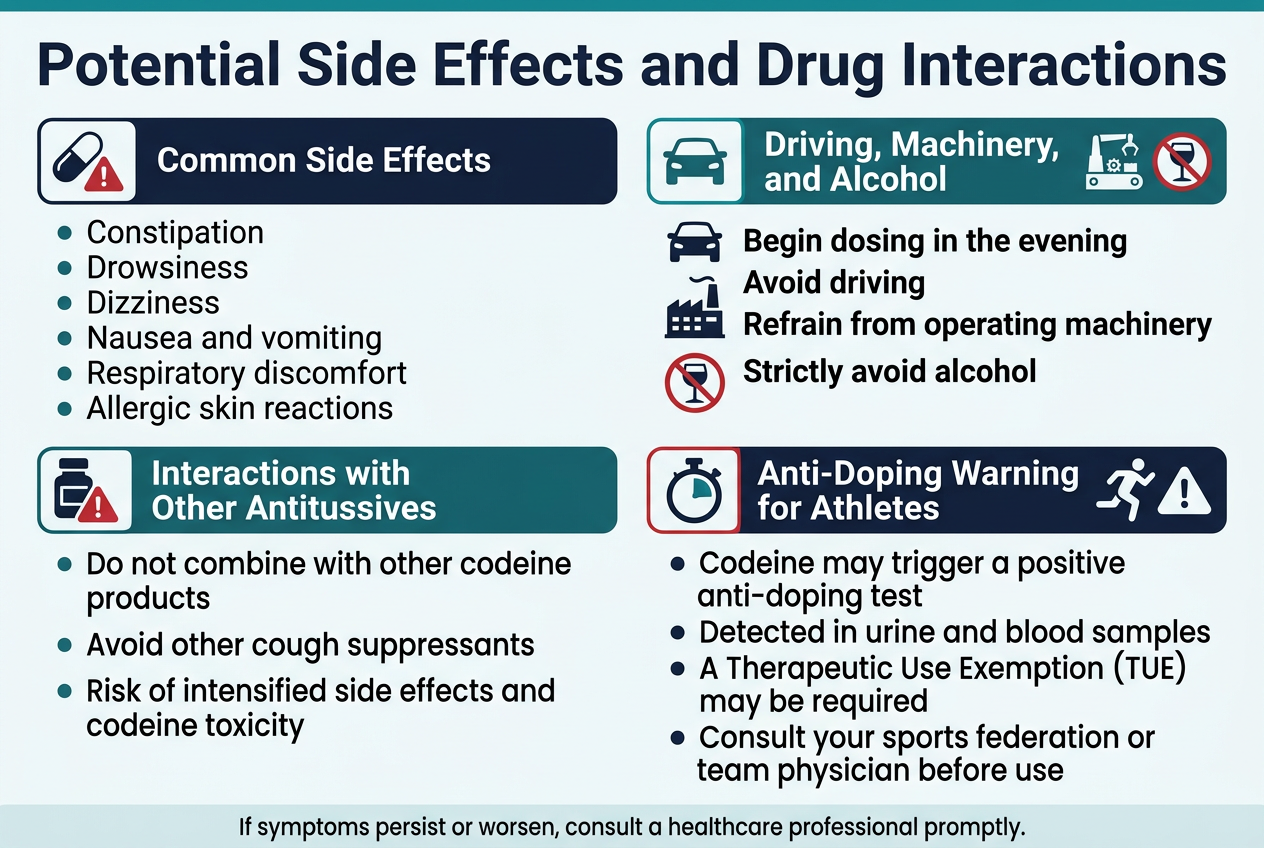
Understanding the potential side effects of EUPHON sirop is essential for safe and informed use. Because this syrup contains codeine, a well-known opioid-derived antitussive, users should be aware of a range of possible adverse reactions. The most frequently reported side effects include:
Constipation – one of the most common effects of codeine-based medications
Drowsiness – particularly during the initial phase of treatment
Dizziness – which can affect balance and coordination
Nausea and vomiting – especially when taken on an empty stomach
Respiratory discomfort – a concern that warrants immediate medical attention if severe
Allergic skin reactions – such as rashes or itching
If any of these symptoms persist or worsen, consulting a healthcare professional promptly is strongly advised.
Impact on Driving and Machine Operation
With this in mind, one of the most practically important considerations when using EUPHON sirop prix sans ordonnance is its effect on alertness and cognitive performance. The codeine content can cause significant drowsiness, which is further compounded when alcohol is consumed simultaneously.
Key recommendations include:
| Situation | Recommendation |
|---|---|
| Start of treatment | Begin dosing in the evening to minimize daytime impairment |
| Driving | Avoid driving until you know how the medication affects you |
| Operating machinery | Refrain from using heavy or dangerous equipment during treatment |
| Alcohol consumption | Strictly avoid combining alcohol with this medication |
Starting treatment in the evening is a practical strategy that allows the body to adjust to the medication’s sedative effects during sleep, reducing the risk of daytime drowsiness affecting daily activities.
Interactions with Other Antitussive Medications
Now that we have covered individual side effects, it is equally critical to understand how EUPHON sirop interacts with other medications. Because EUPHON syrup already contains codeine — a potent antitussive — combining it with other products that also contain codeine or other cough-suppressant molecules creates a significant risk of exceeding maximum recommended dosages.
This can lead to:
Intensified side effects, including extreme drowsiness and respiratory depression
Increased risk of codeine toxicity, which can be dangerous or life-threatening
Before taking EUPHON sirop, always review any other medications you are currently using, including over-the-counter cough and cold remedies. Many such products contain antitussive agents that may not be immediately obvious from their packaging. When in doubt, consult a pharmacist or physician to avoid potentially harmful combinations.
Anti-Doping Warning for Athletes
Previously, we’ve explored the pharmacological risks associated with EUPHON sirop. However, for athletes subject to anti-doping regulations, there is an additional layer of concern. This medication contains a substance — namely codeine — that may trigger a positive result during anti-doping controls.
Athletes should be aware of the following:
Codeine is monitored by various anti-doping authorities and can be detected in urine and blood samples
Using EUPHON sirop, even for legitimate medical purposes, does not automatically exempt an athlete from sanctions
A Therapeutic Use Exemption (TUE) or medical certificate may be required before use
Any athlete competing at a national or international level should consult their sports federation, team physician, or a recognized anti-doping authority before taking EUPHON sirop or any codeine-containing product. Failure to do so could result in disqualification, suspension, or reputational damage, regardless of the legitimate therapeutic intent behind the medication’s use.
Proper Storage and Conservation Tips
A. Usage Deadline After Opening the Bottle
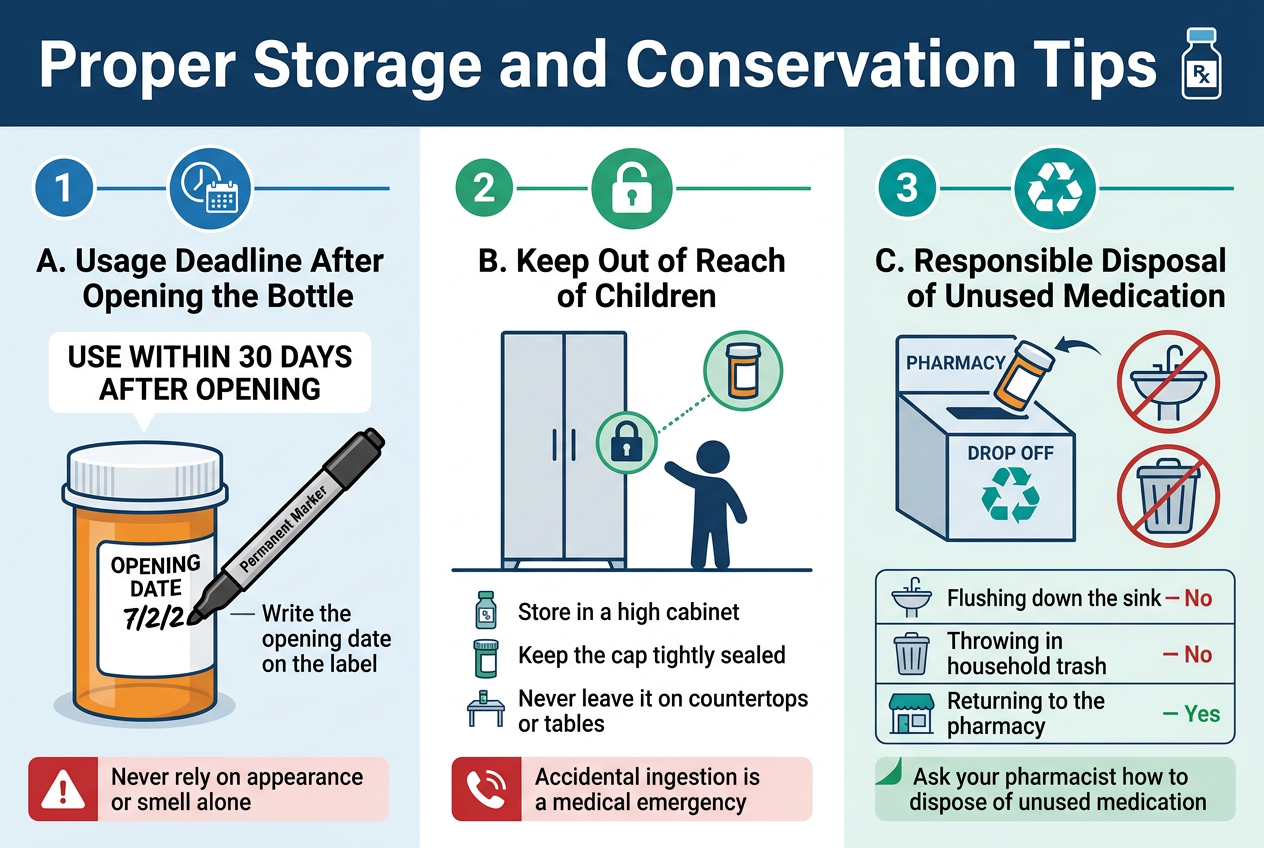
One of the most critical aspects of proper medication management is respecting the usage deadline after the bottle has been opened. For EUPHON sirop, the bottle must be used within 30 days after opening. This time limit is not arbitrary — it is set by the manufacturer to ensure the syrup retains its full therapeutic efficacy and remains safe for consumption.
Once a bottle is opened, it becomes exposed to air, moisture, and potential contaminants that can gradually degrade the active ingredients. Using the syrup beyond the 30-day window may result in a product that is either less effective or potentially unsafe. To help keep track of this deadline, it is strongly recommended to write the opening date directly on the bottle’s label using a permanent marker. This simple habit can prevent accidental use of an expired product.
> Key Reminder: Never assume the product is still valid based on appearance or smell alone. Always respect the 30-day post-opening limit.
B. Keeping the Medication Out of Children’s Reach
Now that we have covered the importance of the usage deadline, it is equally essential to address safe storage in households with children. EUPHON sirop must be kept out of the reach and sight of children at all times.
Children are naturally curious and may be attracted to the sweet taste or colorful packaging of syrups, which significantly increases the risk of accidental ingestion. To ensure maximum safety, consider the following storage precautions:
Store the bottle in a high cabinet that children cannot access, ideally one with a childproof lock.
Never leave the bottle on countertops, tables, or bedside stands where children can easily spot and reach it.
Ensure the cap is tightly sealed after every use, making it more difficult for young hands to open accidentally.
Educate older children about the dangers of consuming medication without adult supervision.
Even a seemingly harmless cough syrup can pose serious health risks if consumed in quantities larger than prescribed. Accidental ingestion by a child should be treated as a medical emergency, and immediate contact with a poison control center or emergency services is strongly advised.
C. Responsible Disposal of Unused Medication
With this in mind, the final — and often overlooked — aspect of proper storage and conservation is the responsible disposal of unused or expired EUPHON sirop. It is essential to understand that medications should never be disposed of via wastewater or household waste.
Flushing medications down the sink or toilet introduces pharmaceutical compounds into water systems, which can have serious environmental consequences, including disruption of aquatic ecosystems and contamination of drinking water sources. Similarly, throwing medications into household trash can expose humans and animals to harmful substances.
Here is a quick reference guide for responsible disposal:
| Disposal Method | Recommended? | Reason |
|---|---|---|
| Flushing down the sink | ❌ No | Contaminates water supply |
| Throwing in household trash | ❌ No | Risk of exposure to humans/animals |
| Returning to the pharmacy | ✅ Yes | Safe and environmentally responsible |
The best course of action is to ask your pharmacist how to dispose of unused medication. Most pharmacies participate in drug take-back programs designed specifically to handle the safe and environmentally responsible disposal of unused medicines. This ensures that EUPHON sirop — like all medications — is handled in a way that protects both public health and the environment.
Taking these steps not only reflects responsible personal healthcare but also demonstrates a commitment to broader environmental stewardship. Always consult your pharmacist if you are unsure about how to properly dispose of any medication, including EUPHON sirop prix sans ordonnance products purchased over the counter.
7 FAQ
What exactly is EUPHON Syrup used for?
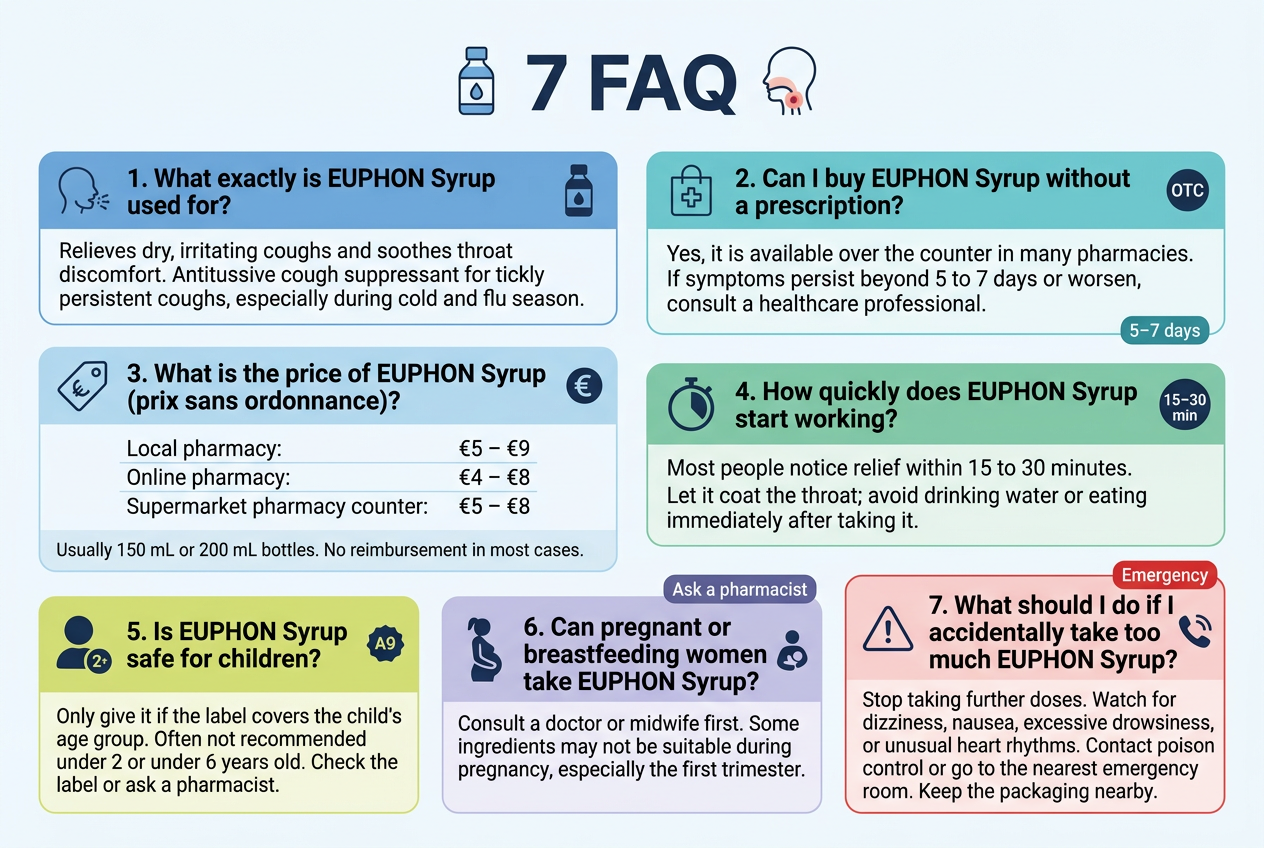
EUPHON Syrup is primarily used to relieve dry, irritating coughs and soothe throat discomfort. It works as an antitussive (cough suppressant) that helps calm the cough reflex without completely suppressing it. Many people reach for it when they have a tickly, persistent cough that disrupts sleep or daily activities. It’s especially popular during cold and flu season when throat irritation is at its peak.
Can I buy EUPHON Syrup without a prescription?
Yes, EUPHON Syrup is available over the counter in many pharmacies without a prescription. This makes it easy to access when you need quick relief. However, just because it doesn’t require a prescription doesn’t mean you should skip reading the label carefully. If your symptoms persist beyond 5 to 7 days or worsen, you should absolutely check in with a healthcare professional rather than continuing self-treatment.
What is the price of EUPHON Syrup (prix sans ordonnance)?
The EUPHON sirop prix sans ordonnance can vary depending on where you purchase it. Here’s a general price breakdown based on common retail environments:
| Purchase Location | Approximate Price Range |
|---|---|
| Local pharmacy (physical store) | €5 – €9 per bottle |
| Online pharmacy | €4 – €8 per bottle |
| Supermarket pharmacy counter | €5 – €8 per bottle |
Prices may shift slightly depending on bottle size (typically 150 mL or 200 mL), current promotions, or regional pricing differences. Buying without a prescription means there’s no reimbursement from health insurance in most cases, so it’s a direct out-of-pocket cost.
How quickly does EUPHON Syrup start working?
Most people notice relief within 15 to 30 minutes of taking a dose. The soothing effect on the throat tends to kick in fairly quickly, while the cough-suppressing action may take a little longer to build up. For the best results, try not to drink water or eat anything immediately after taking the syrup — let it coat the throat and do its job.
Is EUPHON Syrup safe for children?
EUPHON Syrup should only be given to children if the dosage instructions on the packaging specifically cover their age group. In many formulations, it is not recommended for children under a certain age (often under 2 or under 6 years old). Always check the label or ask a pharmacist before giving any cough syrup to a child. Kids’ cough syrups are typically formulated differently, so don’t assume an adult version is appropriate for a younger child.
Can pregnant or breastfeeding women take EUPHON Syrup?
This is a really important question. Pregnant and breastfeeding women should always consult their doctor or midwife before taking EUPHON Syrup, even though it’s available without a prescription. Some active ingredients may not be suitable during pregnancy, especially in the first trimester, and there’s limited data on what passes through breast milk in significant amounts. Your healthcare provider can suggest a safer alternative if needed.
What should I do if I accidentally take too much EUPHON Syrup?
If you’ve taken more than the recommended dose, don’t panic, but do act quickly. Stop taking any further doses right away. Watch for symptoms like dizziness, nausea, excessive drowsiness, or unusual heart rhythms. If you experience any of these, contact a poison control center or head to your nearest emergency room. Always keep the packaging nearby so medical staff can see exactly what you’ve taken and in what amount. Accidental overdose with antitussive syrups is more common than people think, especially when multiple medications are being taken simultaneously.
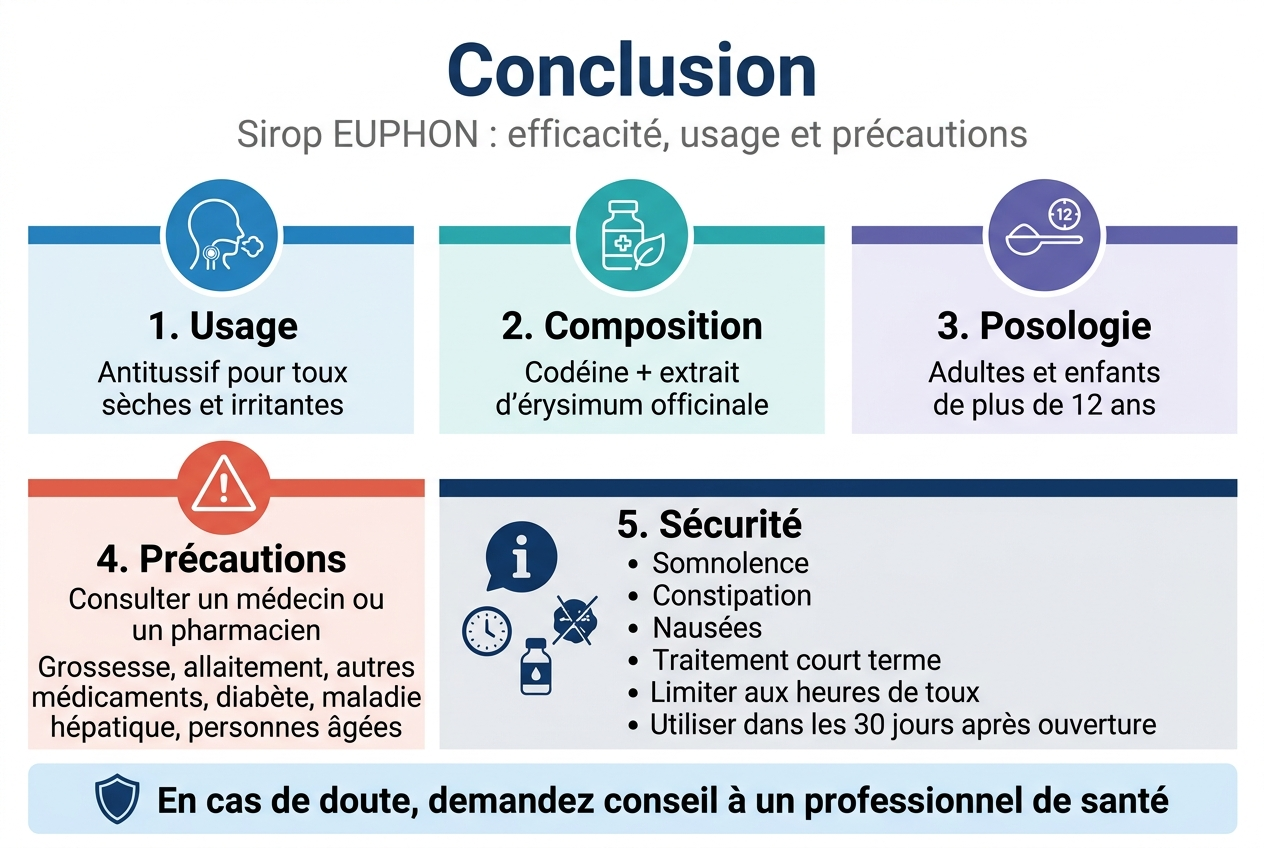
Le sirop EUPHON est un antitussif efficace pour soulager les toux sèches et irritantes, à base de codéine et d’extrait d’érysimum officinale. Tout au long de cet article, nous avons couvert les points essentiels : sa composition, ses dosages recommandés pour les adultes et les enfants de plus de 12 ans, ses contre-indications importantes, ainsi que les précautions à prendre en compte, notamment pour les personnes âgées, les diabétiques, et celles souffrant de maladies hépatiques. Les effets indésirables possibles, comme la somnolence, la constipation ou les nausées, et les interactions médicamenteuses ont également été abordés pour garantir une utilisation en toute sécurité.
Before using EUPHON syrup, it is strongly recommended to consult a doctor or pharmacist, especially if you are pregnant, breastfeeding, or taking other medications containing codeine or central cough suppressants. Remember that the treatment should remain short-term and strictly limited to the hours when coughing occurs. Always respect the recommended dosages, store the bottle properly, and use it within 30 days of opening. When in doubt, seek professional medical advice to ensure this medication is the right choice for your specific situation.
