
buy cough syrup
How to Use Euphon Syrup Proper Dosage
How to Use Euphon Syrup Proper Dosage: The Complete Guide to Safe and Effective Treatment
When cold symptoms strike, knowing how to use Euphon syrup proper dosage becomes essential for effective relief. This comprehensive guide provides healthcare professionals, patients, and caregivers with precise instructions for administering this best trusted cold remedy euphon syrup dosage safely across all age groups.
Understanding proper dosage prevents medication errors that could compromise treatment effectiveness or cause adverse reactions. We will examine evidence-based dosage recommendations, optimal timing strategies, and critical safety protocols to ensure maximum therapeutic benefits while minimizing risks.
Understanding Euphon Syrup: Active Ingredients and Therapeutic Mechanisms
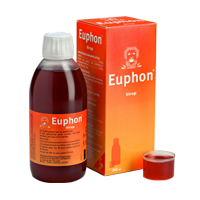
Pharmaceutical Composition and Mechanism of Action
Euphon syrup contains carefully formulated active ingredients that target multiple respiratory symptoms simultaneously. The primary components include dextromethorphan, which acts as a potent cough suppressant by inhibiting the medullary cough center in the brain. Guaifenesin serves as an expectorant, reducing mucus viscosity and facilitating bronchial secretion clearance.
The syrup formulation enables rapid gastrointestinal absorption, typically producing therapeutic effects within 15-30 minutes post-administration. The liquid delivery system ensures uniform ingredient distribution and allows for precise dose adjustments across different patient populations.
Dextromethorphan blocks NMDA receptors in the cough center, effectively suppressing non-productive coughs without compromising protective respiratory reflexes. Guaifenesin increases respiratory tract fluid secretions, reducing mucus adhesiveness and promoting productive expectoration.
Clinical Applications and Therapeutic Indications
Healthcare providers recommend Euphon syrup for treating various respiratory conditions associated with viral upper respiratory infections, seasonal allergies, and bronchial congestion. The medication demonstrates particular efficacy in managing productive coughs where mucus mobilization becomes clinically necessary.
The syrup effectively addresses chest congestion resulting from respiratory tract infections. When bronchial secretions accumulate and impair normal breathing patterns, Euphon syrup’s dual-action formula facilitates mucus clearance while suppressing irritating cough reflexes.
Seasonal allergic rhinitis patients benefit from the medication’s ability to manage excess mucus production. During peak allergen exposure periods, the respiratory system produces excessive secretions that require pharmaceutical intervention for adequate clearance.
Importance of Precise Dosage Administration
Achieving optimal therapeutic outcomes requires strict adherence to recommended dosage guidelines. Insufficient doses fail to reach therapeutic blood levels necessary for symptom relief, while excessive amounts increase adverse reaction risks without providing additional clinical benefits.
Each active ingredient maintains specific therapeutic windows where maximum efficacy occurs. Dextromethorphan requires adequate plasma concentrations for effective cough suppression but causes central nervous system side effects when administered excessively. Guaifenesin needs sufficient dosing for mucus modification while avoiding gastrointestinal irritation.
Patient age and body weight significantly influence drug metabolism and clearance rates. Pediatric patients require careful dose calculations based on developmental pharmacokinetics, while elderly patients may need adjustments due to altered hepatic and renal function.
Evidence-Based Dosage Guidelines for Different Patient Populations

Adult and Adolescent Dosing Protocols (Ages 13 and Above)
Adult patients and adolescents should receive 10-15ml of Euphon syrup administered three times daily. Initial treatment begins with 10ml per dose, with potential escalation to 15ml based on symptom severity and patient response. Healthcare providers recommend maintaining 6-8 hour intervals between doses for optimal therapeutic levels.
Maximum daily intake should not exceed 45ml within any 24-hour period. This limitation prevents accumulation-related side effects while ensuring adequate symptom control. Adults experiencing persistent symptoms may use the higher dose range after consulting healthcare professionals.
For enhanced absorption and reduced gastrointestinal irritation, administer doses 30 minutes before meals or 2 hours post-prandially. This timing strategy optimizes bioavailability while minimizing potential stomach upset that some patients experience with syrup formulations.
Pediatric Dosing Recommendations (Ages 6-12)
Children require carefully calculated doses based on age-specific pharmacokinetic parameters. The following evidence-based guidelines ensure safe and effective treatment:
Age 6-8 years: 5ml three times daily (maximum 15ml/24 hours)
Age 9-12 years: 7.5ml three times daily (maximum 22.5ml/24 hours)
Pediatric patients should never receive doses calculated from adult recommendations. Children metabolize medications differently due to immature hepatic enzyme systems and altered body water distribution. Always utilize pediatric-specific dosing charts and measuring devices designed for accurate small-volume administration.
Parents and caregivers must use calibrated measuring instruments provided with the medication. Household spoons vary significantly in volume and lead to dangerous dosing errors. Medical-grade oral syringes or graduated measuring cups ensure precise dose delivery.
Special Considerations for Elderly Patients
Patients over 65 years may require modified dosing protocols due to age-related physiological changes affecting drug metabolism and elimination. Healthcare providers recommend initiating treatment at reduced doses (7.5-10ml three times daily) with careful monitoring for therapeutic response and adverse effects.
Elderly patients frequently manage multiple chronic conditions requiring concurrent medications, increasing drug interaction risks. Comprehensive medication reviews become essential before initiating Euphon syrup therapy to identify potential pharmacokinetic or pharmacodynamic interactions.
Age-related kidney function decline may necessitate dose adjustments or extended dosing intervals. Some elderly patients experience enhanced sensitivity to central nervous system effects, requiring individualized treatment protocols based on functional status and comorbidity profiles.
Contraindications in Young Children
Never administer Euphon syrup to children under 6 years without explicit pediatric supervision. Young children lack mature metabolic pathways necessary for safe drug processing, creating risks for respiratory depression, excessive sedation, and other serious complications.
Children with underlying respiratory conditions including asthma, chronic bronchitis, or congenital airway abnormalities require specialized medical evaluation before treatment initiation. Pediatricians must assess benefit-risk ratios individually for these vulnerable patient populations.
Optimal Timing and Administration Frequency
Strategic Dosing Throughout the Day
Morning administration (8-10 AM) provides daytime symptom control when patients maintain active schedules. The body’s circadian rhythms influence drug metabolism, making morning doses particularly effective for sustained daytime relief. Coordinate first doses with breakfast to optimize absorption and minimize gastrointestinal side effects.
Evening doses administered 30-60 minutes before bedtime facilitate uninterrupted sleep by controlling nighttime cough symptoms. However, avoid excessively late administration that might interfere with natural sleep patterns due to potential alertness-promoting effects in sensitive individuals.
Afternoon dosing (2-4 PM) may be necessary for patients experiencing persistent symptoms requiring sustained therapeutic coverage. This intermediate dose maintains steady plasma levels throughout extended symptom periods while preventing breakthrough respiratory discomfort.
Maintaining Consistent Dosing Intervals
Healthcare professionals recommend 6-8 hour intervals between doses to maintain therapeutic drug levels while allowing adequate clearance time. This schedule prevents drug accumulation while ensuring continuous symptom relief throughout the treatment period.
Typical Daily Schedule:
- Morning: 8:00-10:00 AM
- Afternoon: 2:00-4:00 PM (if needed)
- Evening: 8:00-10:00 PM
Patients should maintain consistent timing patterns rather than adjusting schedules based on symptom fluctuations. Regular administration creates predictable therapeutic levels that provide superior symptom control compared to irregular dosing patterns.
Food Interaction Considerations
Euphon syrup demonstrates optimal absorption when taken with food or shortly after meals. Food intake reduces gastric irritation risks while providing sustained absorption kinetics that extend therapeutic duration. Light meals or snacks 15-30 minutes before dosing create ideal absorption conditions.
Avoid concurrent consumption of dairy products or calcium-rich foods, as these may interfere with active ingredient absorption. If dairy consumption is desired, maintain at least one-hour separation from medication administration to prevent potential absorption interference.
Adequate hydration enhances therapeutic effectiveness and reduces potential side effects. Patients should consume a full glass of water following each dose to facilitate proper absorption and prevent syrup residue from adhering to dental surfaces.
How to Use Euphon Syrup Proper Dosage Based on Symptom Severity
Initiating Treatment with Conservative Doses
When respiratory symptoms first develop, healthcare providers recommend starting with minimum effective doses to assess individual patient response. Adults experiencing mild throat irritation or occasional cough should begin with 5ml rather than full therapeutic doses, allowing natural healing processes to contribute to recovery.
This conservative approach minimizes side effect risks while determining individual sensitivity to active ingredients. Many patients achieve adequate symptom relief with lower-than-standard doses, making aggressive initial treatment unnecessary and potentially counterproductive.
Pediatric patients require especially careful dose initiation, beginning at the absolute minimum recommended for their age group. Early intervention with conservative doses often prevents symptom progression while maintaining safety margins crucial for developing organ systems.
Escalating Dosage for Persistent Symptoms
When initial conservative treatment proves inadequate after 24-48 hours, systematic dose escalation becomes appropriate. Adults may increase from 5ml to standard 10ml doses, maintaining established timing intervals while monitoring for improved symptom control.
This best trusted cold remedy euphon syrup dosage escalation should occur gradually, with at least 4-6 hours between any dose adjustments. Rapid increases provide no additional therapeutic benefit while significantly increasing adverse reaction risks.
Document symptom progression and medication response to guide further treatment decisions. Some patients require 48-72 hours at increased doses before experiencing significant improvement, making patience essential during the escalation process.
Recognizing Maximum Safe Limits
Adult patients must never exceed 45ml total daily intake regardless of symptom severity. This maximum limit prevents serious adverse reactions while providing adequate therapeutic coverage for most respiratory conditions. Calculate total daily consumption carefully when using variable dosing strategies.
Pediatric maximum limits require strict adherence based on age-specific guidelines. Children aged 6-8 years should not receive more than 15ml daily, while 9-12 year olds remain safely within 22.5ml maximum limits. These restrictions protect developing organ systems from medication-related complications.
Patients with hepatic impairment, renal dysfunction, or other chronic conditions may require reduced maximum limits based on individual medical assessments. Healthcare providers should establish personalized maximum doses considering patient-specific factors and comorbidity profiles.
Tapering Strategies as Symptoms Resolve
Successful treatment conclusions require gradual dose reduction rather than abrupt discontinuation. Begin tapering when patients experience consistent improvement over 24-48 hours, extending intervals between doses before reducing individual dose amounts.
Initial tapering involves increasing time between doses from 6 hours to 8 hours while maintaining dose size. This approach helps determine whether improvement represents genuine recovery or temporary symptom suppression requiring continued treatment.
Subsequent reductions should decrease individual dose amounts by 50% while maintaining extended intervals. Adults successfully taking 10ml every 8 hours might reduce to 5ml every 8 hours, then transition to once-daily dosing before complete discontinuation.
Safety Precautions and Adverse Effect Management
Common Side Effects and Monitoring Parameters
Most patients tolerate Euphon syrup well when used according to recommended guidelines. However, healthcare providers must educate patients about potential adverse effects that may occur during treatment. Drowsiness affects approximately 15-20% of users, particularly during initial treatment days when therapeutic levels establish.
Gastrointestinal effects including mild nausea, stomach upset, or changes in appetite occur in roughly 10-15% of patients. These symptoms typically resolve within 2-3 days as patients develop tolerance to the medication. Taking doses with food significantly reduces gastrointestinal irritation incidence.
Central nervous system effects such as mild dizziness, headache, or slight confusion may develop, especially in elderly patients or those taking concurrent medications. These effects usually remain mild and transient but require monitoring for progression or interference with daily activities.
Dermatological reactions including skin rash, itching, or hives affect fewer than 5% of patients but require careful observation for potential progression to serious allergic reactions. Document any skin changes and discontinue treatment if reactions worsen or spread.
Emergency Warning Signs Requiring Immediate Medical Attention
Severe allergic reactions, though rare, constitute medical emergencies requiring immediate intervention. Patients experiencing difficulty breathing, facial swelling, throat tightness, or widespread hives need emergency medical care without delay. These anaphylactic reactions can progress rapidly and become life-threatening.
Cardiovascular warning signs including chest pain, irregular heartbeat, severe palpitations, or blood pressure changes require urgent medical evaluation. Some patients may experience dangerous arrhythmias or cardiovascular instability, particularly those with pre-existing heart conditions.
Respiratory complications such as severe breathing difficulty, wheezing, or respiratory depression need immediate medical assessment. While uncommon with appropriate dosing, respiratory compromise can occur, especially in patients with underlying pulmonary conditions.
Neurological symptoms including severe confusion, agitation, hallucinations, or altered mental status indicate potential central nervous system toxicity requiring emergency intervention. These symptoms may suggest overdose or dangerous drug interactions.
Drug Interaction Management
Euphon syrup interacts with numerous medications, creating potentially dangerous combinations that require careful management. Concurrent use with other cough suppressants or respiratory depressants can cause additive effects leading to dangerous respiratory suppression or excessive sedation.
Monoamine oxidase inhibitors (MAOIs) create particularly dangerous interactions with dextromethorphan, potentially causing serotonin syndrome or hypertensive crises. Patients taking MAOIs should avoid Euphon syrup entirely or use only under strict medical supervision with alternative formulations.
Central nervous system depressants including benzodiazepines, opioids, or alcohol significantly amplify sedation and respiratory depression risks. Healthcare providers must assess all concurrent medications and adjust treatment plans to minimize interaction potential while maintaining therapeutic effectiveness.
High-Risk Drug Interactions:
- MAO inhibitors: Contraindicated
- Other cough suppressants: Avoid combination
- Sedatives/hypnotics: Use extreme caution
- Alcohol: Complete avoidance required
Patient-Specific Contraindications
Patients with severe hepatic impairment should avoid Euphon syrup due to impaired metabolism of active ingredients. Liver dysfunction prevents proper drug clearance, leading to accumulation and increased toxicity risks that outweigh potential therapeutic benefits.
Respiratory conditions including severe asthma, COPD, or respiratory failure create relative contraindications requiring specialist evaluation. The cough suppressant effects may interfere with necessary protective reflexes or compromise already impaired respiratory function.
Pregnancy and lactation present special considerations requiring careful risk-benefit analysis. While not absolutely contraindicated, use during pregnancy should occur only when benefits clearly outweigh potential fetal risks, with preference for alternative treatments when possible.
Patients with uncontrolled hypertension may experience blood pressure elevation from certain formulation components. Cardiovascular monitoring becomes essential for these patients, with alternative treatments preferred when blood pressure control remains suboptimal.
Professional Storage and Administration Protocols
Optimal Storage Conditions for Therapeutic Stability
Maintain Euphon syrup at controlled room temperature between 68-77°F (20-25°C) to preserve active ingredient potency and prevent degradation. Temperature fluctuations beyond this range can alter chemical stability, reducing therapeutic effectiveness or creating potentially harmful breakdown products.
Store containers in dry environments with relative humidity below 60% to prevent moisture-related degradation. Bathrooms and kitchens often exceed optimal humidity levels, making these locations inappropriate for medication storage. Choose consistently cool, dry locations away from heat sources and direct sunlight.
Keep bottles tightly sealed using original caps that provide airtight protection against contamination and moisture infiltration. Original packaging includes important product information and ensures proper container integrity designed specifically for the formulation’s stability requirements.
Never freeze Euphon syrup, as freezing alters chemical structure and may cause precipitation or separation that compromises therapeutic activity. Similarly, avoid storage in vehicles or other locations where extreme temperatures might occur seasonally.
Precision Measurement Techniques
Accurate dose measurement requires appropriate tools designed specifically for liquid medications. Never use household spoons, which vary dramatically in volume and lead to significant dosing errors. Kitchen teaspoons range from 3-7ml, creating dangerous variability in therapeutic dosing.
Oral syringes provide the most precise measurement capability, especially for pediatric doses requiring small volumes. Draw medication slowly to prevent air bubble formation that could affect dose accuracy. Hold syringes at eye level during measurement to ensure proper volume assessment.
Graduated measuring cups work effectively for larger adult doses but require careful technique for accurate reading. Place cups on flat surfaces and read measurements at eye level with the meniscus at the appropriate marking. Pour slowly to prevent overshoot that necessitates difficult adjustments.
Clean all measuring devices thoroughly after each use with warm soapy water, followed by complete air drying. Residual medication can accumulate and affect subsequent dose accuracy while creating contamination risks for bacterial growth.
Pediatric Administration Strategies
Successfully administering medication to children requires patience, creativity, and age-appropriate techniques that reduce stress while ensuring complete dose delivery. Create positive associations with medicine time through consistent routines that children can predict and understand.
Explain the medication’s purpose using age-appropriate language that helps children understand why they need medicine. Simple explanations like “this helps stop your cough so you can sleep better” create cooperation rather than resistance during administration.
Slight chilling can mask bitter flavors that children find objectionable, but avoid excessive cold that might cause additional discomfort. Room temperature or slightly cool medications are generally well-tolerated while maintaining stability.
Position children upright during administration to prevent aspiration while facilitating comfortable swallowing. Use slow, gentle techniques that allow children to swallow at their own pace without feeling rushed or pressured.
Consider mixing with small amounts of compatible foods like yogurt or applesauce only after confirming with pharmacists that such combinations won’t affect absorption. Use minimal food quantities to ensure complete medication consumption.
Frequently Asked Questions About Euphon Syrup Dosage
Can I Combine Euphon Syrup with Other Respiratory Medications?
Healthcare providers must evaluate all concurrent medications before approving combination therapy with Euphon syrup. Never combine with other cough suppressants containing dextromethorphan, as this creates dangerous additive effects potentially leading to respiratory depression or central nervous system toxicity.
Certain antibiotics, particularly macrolide antibiotics like erythromycin or clarithromycin, can inhibit dextromethorphan metabolism, leading to elevated drug levels and increased side effect risks. Inform your healthcare provider about all medications, including over-the-counter products and supplements.
Blood pressure medications may interact with Euphon syrup components, potentially altering cardiovascular effects or medication efficacy. Patients taking antihypertensive medications require careful monitoring and possible dose adjustments during treatment periods.
Always provide complete medication lists to healthcare providers and pharmacists to identify potential interactions before starting treatment. This includes prescription medications, over-the-counter products, herbal supplements, and recreational substances.
What Should I Do If I Miss a Scheduled Dose?
Take missed doses as soon as you remember, provided the next scheduled dose remains at least 3-4 hours away. This timing prevents dose stacking that could lead to excessive drug levels and increased adverse reaction risks while maintaining therapeutic coverage.
If your next dose approaches within 2-3 hours, skip the missed dose entirely and resume your regular schedule. Never double doses to compensate for missed administrations, as this practice significantly increases overdose risks without providing additional therapeutic benefits.
Maintain consistent dosing intervals moving forward rather than adjusting subsequent doses to “catch up” on missed medications. Regular timing creates predictable drug levels that provide superior symptom control compared to irregular dosing patterns.
Set reminders using smartphone apps, alarms, or pill organizers to maintain consistent dosing schedules. Consistent administration maximizes therapeutic effectiveness while minimizing breakthrough symptoms that occur with irregular dosing.
How Long Can I Safely Continue Treatment?
Adults typically use Euphon syrup safely for 7-10 days during acute respiratory illnesses. Extended use beyond two weeks requires medical supervision to assess underlying condition progression and evaluate continued treatment necessity versus alternative therapeutic approaches.
Pediatric patients should not continue treatment beyond 5-7 days without pediatric consultation. Children’s respiratory conditions often resolve more quickly than adult infections, making prolonged treatment unnecessary and potentially counterproductive for natural healing processes.
Discontinue treatment and seek medical evaluation if symptoms worsen during therapy or fail to improve after 5-7 days of appropriate treatment. Persistent symptoms may indicate bacterial infections requiring antibiotic therapy or other underlying conditions needing specific treatment.
Chronic cough conditions lasting longer than 3-4 weeks require comprehensive medical evaluation to identify underlying causes such as asthma, gastroesophageal reflux, or other treatable conditions that respond better to specific therapies.
What Constitutes Euphon Syrup Overdose?
Overdose symptoms develop when total daily intake exceeds recommended maximum limits or when doses are taken too frequently without adequate clearance time. Early symptoms include excessive drowsiness, dizziness, nausea, vomiting, and confusion that may progress to more serious complications.
Severe overdose can cause respiratory depression, characterized by slow or difficult breathing, which constitutes a medical emergency requiring immediate intervention. Central nervous system effects may include severe confusion, hallucinations, agitation, or loss of consciousness.
Cardiovascular effects of overdose include rapid heartbeat, irregular rhythms, blood pressure changes, or chest pain. These symptoms require emergency medical evaluation and supportive treatment to prevent serious complications or permanent injury.
Seek immediate emergency care if overdose is suspected, bringing the medication container to help medical professionals identify specific ingredients and concentrations. Quick medical intervention significantly improves outcomes and prevents progression to life-threatening complications.
Is Euphon Syrup Safe During Pregnancy and Breastfeeding?
Pregnant women should use Euphon syrup only when benefits clearly outweigh potential risks to fetal development. The active ingredients cross placental barriers and may affect fetal growth, making medical supervision essential for any use during pregnancy.
Healthcare providers typically recommend alternative treatments for pregnant patients, including non-pharmacological approaches like humidification, adequate hydration, and positioning techniques that provide symptom relief without medication-related risks.
Breastfeeding mothers should avoid Euphon syrup as active ingredients pass into breast milk and may affect nursing infants. The immature metabolic systems of infants cannot properly process these medications, creating risks for respiratory depression or other serious complications.
Consult healthcare providers about pregnancy-safe alternatives that provide symptom relief without compromising maternal or fetal health. Many effective non-pharmacological treatments can manage respiratory symptoms safely during pregnancy and lactation periods.
Can I Drive After Taking Euphon Syrup?
Avoid driving or operating machinery for 4-6 hours after taking Euphon syrup, as drowsiness and reduced alertness commonly occur, particularly during initial treatment periods. These effects can impair reaction times, judgment, and coordination necessary for safe vehicle operation.
The sedating effects vary significantly between individuals, with some patients experiencing minimal impairment while others develop substantial drowsiness. Never assume you can drive safely based on how you feel, as impairment may not be subjectively apparent despite objective performance decreases.
Plan dosing schedules around activities requiring full mental clarity and coordination. Morning doses may affect daytime activities, while evening doses typically align better with rest periods when driving isn’t necessary.
Alternative transportation arrangements become necessary when using this best trusted cold remedy euphon syrup dosage during treatment periods. Consider having family members drive, using public transportation, or postponing non-essential travel until treatment concludes.
How Should I Manage Side Effects?
Mild side effects like drowsiness or stomach upset often resolve within 2-3 days as your body adjusts to the medication. Reduce dose amounts or extend intervals between doses if side effects interfere with daily activities while maintaining some therapeutic benefit. Take doses with food to minimize gastrointestinal upset, and maintain adequate hydration to prevent dehydration-related complications. Simple dietary modifications like avoiding spicy or acidic foods may help reduce stomach irritation during treatment periods.
Discontinue treatment immediately if severe allergic reactions develop, including difficulty breathing, facial swelling, or widespread rash. These symptoms require emergency medical attention and contraindicate any future use of similar medications.
Contact healthcare providers if side effects persist, worsen, or interfere significantly with daily functioning. Alternative medications or adjusted dosing regimens may provide equivalent therapeutic benefits with improved tolerability profiles for individual patients.
Conclusion: Mastering Safe and Effective Euphon Syrup Use
Understanding how to use Euphon syrup proper dosage transforms respiratory symptom management from guesswork into precise, evidence-based treatment. This best trusted cold remedy euphon syrup dosage guide provides the foundation for safe, effective therapeutic outcomes across all patient populations.
Success depends on following age-appropriate dosing guidelines, maintaining consistent administration schedules, and monitoring for both therapeutic response and potential adverse effects. Healthcare providers and patients working together can optimize treatment outcomes while minimizing risks through careful attention to individual patient factors and symptom progression.
Proper storage techniques and accurate measurement tools ensure medication potency and dosing precision throughout treatment periods. When questions arise about dosage adjustments, drug interactions, or side effect management, healthcare professionals provide essential guidance for safe, individualized treatment approaches that maximize therapeutic benefits while protecting patient safety.
Euphon Syrup Proper Dosage | Euphon Syrup Proper Dosage | Euphon Syrup Proper Dosage | Euphon Syrup Proper Dosage | Euphon Syrup Proper Dosage | Euphon Syrup Proper Dosage | Euphon Syrup Proper Dosage | Euphon Syrup Proper Dosage | Euphon Syrup Proper Dosage | Euphon Syrup Proper Dosage
